For most Sydney homeowners, a 7.2kW to 11kW Level 2 home EV charger is the right size, covering 40 to 60 kilometres of range per hour of charging. If you drive less than 60km daily, a 7.2kW unit is usually enough. This guide covers charger levels, power outputs, car compatibility, and what installation involves in Sydney, Australia.
Understand the Three Levels of EV Chargers
EV chargers are grouped into three levels based on power output. Each level suits a different situation, and knowing the difference helps you make a confident decision before spending anything.
Level 1 uses a standard 10A household outlet and delivers around 2.4kW. That adds roughly 15km of range per hour. It works in a pinch but is too slow for most daily drivers.
Level 2 is the standard for home installation in Australia. These chargers run on a dedicated 240V circuit and range from 7.2kW to 22kW. A 7.2kW unit adds around 40km per hour, while an 11kW unit adds around 60km per hour.
Level 3, also called DC fast charging, is a commercial product used in public stations. It is not practical or cost-effective for home use and requires industrial-level electrical infrastructure.
Compare Charger Power Outputs Side by Side
The table below breaks down the most common home EV charger sizes, their typical use case, and how much range they add per hour. Use this to match your driving habits to the right output.
| Charger Size | Outlet Type | Range Added Per Hour | Best For |
|---|---|---|---|
| 2.4kW (Level 1) | Standard 10A GPO | ~15km | Occasional top-ups, low daily km |
| 7.2kW (Level 2) | Dedicated 32A circuit | ~40km | Most Sydney daily commuters |
| 11kW (Level 2) | Dedicated 32A or 3-phase | ~60km | Longer commutes, larger EVs |
| 22kW (Level 2) | 3-phase supply required | ~120km | Multiple EVs, very high usage |
Most Sydney homes run on single-phase power, which caps your practical home charger at around 7.2kW. If your home has three-phase power, you can access 11kW or 22kW options. Your electrician can confirm which supply you have before you buy anything.
Match the Charger to Your Car’s Onboard Charger Capacity
Your EV charger size is limited by two things: the charger unit itself and your car’s onboard charger (OBC). The OBC is the hardware inside your vehicle that converts AC power from a Level 2 charger into DC power for the battery.
Installing a 22kW wall unit when your car’s OBC only accepts 7.2kW means you will never charge faster than 7.2kW. You are paying for capacity your car cannot use.
Here is a quick reference for popular EVs sold in Australia and their OBC limits:
- Tesla Model 3 (standard range): 7.2kW OBC
- Tesla Model 3 (long range): 11kW OBC
- BYD Atto 3: 7kW OBC
- MG ZS EV: 6.6kW OBC
- Hyundai Ioniq 6: 11kW OBC
- Kia EV6: 11kW OBC
- Polestar 2: 11kW OBC
- Volvo XC40 Recharge: 11kW OBC
Check your car’s manual or the manufacturer’s website to confirm your OBC rating. Then size your charger to match or slightly exceed that rating for future flexibility.
Factor In Your Daily Driving Distance
How far you drive each day is the most practical factor in choosing charger size. A charger that replenishes your overnight driving distance by morning is all you need for daily home use.
If you drive 50km daily and plug in for 8 hours overnight, a 7.2kW charger adds up to 320km in that window. That covers most Sydney commutes several times over.
Drivers who regularly exceed 100km daily, or who use their EV for work travel around Greater Sydney, may benefit from an 11kW unit. It cuts overnight charging time roughly in half compared to a 7.2kW unit.
The team at AJ Services Group often asks clients these three questions before recommending a charger size:
- How many kilometres do you drive on a typical day?
- How many hours do you have available to charge overnight?
- Do you have or plan to get a second EV in the near future?
If you plan to add a second EV within a few years, it is worth sizing up now. The cost difference between a 7.2kW and 11kW charger installation is usually minor compared to doing the electrical work twice.
Understand What Home Installation Involves in Sydney
Installing a Level 2 EV charger in Sydney requires a licensed electrician. The work must comply with AS/NZS 3000 wiring standards and any local council or body corporate requirements if you live in an apartment or strata property.
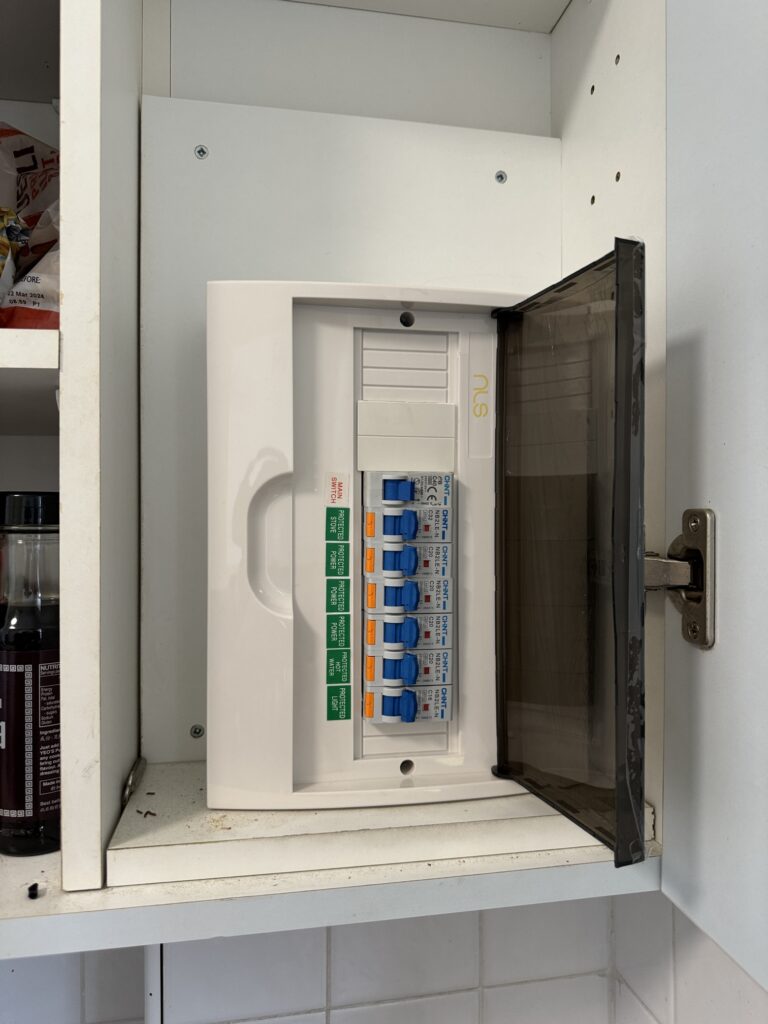
A typical single-phase home installation in Sydney involves running a dedicated circuit from your switchboard to the garage or carport, installing a dedicated circuit breaker, and mounting the charger unit. This usually takes three to five hours for a straightforward job.
Costs for EV charger installation in Sydney typically fall in the following ranges:
| Installation Scenario | Estimated Cost (AUD) | Notes |
|---|---|---|
| Basic single-phase installation | $500 to $900 | Short cable run, existing capacity in switchboard |
| Standard installation with cable run | $900 to $1,500 | Longer conduit run, minor switchboard work |
| Switchboard upgrade required | $1,500 to $2,500 | Older homes or maxed-out switchboards |
| Three-phase upgrade for 11kW or 22kW | $2,000 to $4,000+ | Includes Ausgrid application and metering changes |
Three-phase power upgrades in Sydney require an application through Ausgrid. AJ Services Group handles this process on behalf of clients, which saves time and avoids paperwork mistakes that can delay your installation.
Choose the Right Charger Brand and Features
The charger unit itself is a separate cost from installation. In Australia, popular and well-supported home EV charger brands include Wallbox, Ocular, Zappi, and Tesla Wall Connector. Prices for the unit alone range from around $600 to $1,800 depending on the brand and features.
Key features worth considering when choosing a unit include:
- Wi-Fi or app connectivity: Lets you schedule charging during off-peak tariff periods to save on electricity costs.
- Load balancing: Automatically adjusts charging speed to prevent tripping your home’s circuit breaker.
- Solar integration: Some units like the Zappi can prioritise charging from rooftop solar, which is popular in Sydney given the strong solar resource.
- Tethered vs untethered: Tethered units have a fixed cable. Untethered units use your car’s cable, which suits households with multiple EV types.
- IP rating: If mounting outdoors or in an exposed carport, look for IP54 or higher for weather resistance.
AJ Services Group supplies and installs several of these brands and can advise which suits your switchboard setup and budget. Getting the supply and installation from one provider also simplifies your warranty claims if anything goes wrong later.
FAQs on What Size EV Charger You Need
Can I use a standard power point to charge my EV at home?
Yes, you can use a standard 10A GPO for Level 1 charging, and it works for overnight top-ups if you drive less than 15 to 20km per day. For most Sydney drivers this is too slow for daily use and a dedicated Level 2 charger is a much better option.
Do I need a three-phase power supply for a home EV charger?
Not for most home setups. A 7.2kW Level 2 charger runs on single-phase power, which covers the majority of Sydney homes. Three-phase is only needed if you want 11kW or above, or if you plan to charge multiple EVs simultaneously at full speed.
How long does it take to fully charge an EV with a 7.2kW home charger?
Charge time depends on your battery size. A 60kWh battery charges from empty to full in around eight to nine hours on a 7.2kW charger. Most drivers charge from 20 to 80 percent rather than a full cycle, which takes considerably less time.
What size circuit breaker do I need for an EV charger?
A 7.2kW charger on a single-phase 240V supply draws around 32A, so a dedicated 32A circuit breaker is standard. Your electrician will confirm the correct breaker size based on cable length and your switchboard’s available capacity.
Can I install an EV charger in an apartment or strata building in Sydney?
Yes, but you need approval from your owners corporation or body corporate first. NSW strata laws were updated in 2020 to make it easier for owners to get approval for EV charger installations. An electrician familiar with strata work can help navigate the process.
Will my home insurance cover EV charger installation?
Most home insurance policies do not automatically cover the charger unit, but some policies include it once declared as a fixed improvement. Check with your insurer and ensure your installation is done by a licensed electrician, as unlicensed work can void claims.
Wrap Up and Next Steps
For most Sydney homeowners, a 7.2kW Level 2 charger installed on a dedicated 32A circuit is the right answer to what size EV charger you need. Match it to your car’s OBC rating, your daily driving distance, and your home’s electrical supply to get the best value.
AJ Services Group installs EV chargers across Sydney, handles switchboard assessments, and manages Ausgrid applications for three-phase upgrades. Contact us today to book a site assessment or request a quote for your home EV charger installation.