Written by AJ Services Group | Published on July 2025
Manual roller doors start from around $600 installed, while automatic roller doors in Sydney typically range from $1,200 to $3,500 depending on size, motor quality, and materials. Both options have genuine advantages depending on your home, budget, and how often you use your garage.
This guide covers the key differences between manual and automatic roller doors, including upfront costs, running costs, maintenance, security, and what Sydney homeowners specifically need to consider before making a decision.
Understand the core difference between manual and automatic roller doors
A manual roller door is operated by hand. You pull it up or push it down yourself, typically using a handle or strap. There is no motor, no remote, and no electrical components involved.
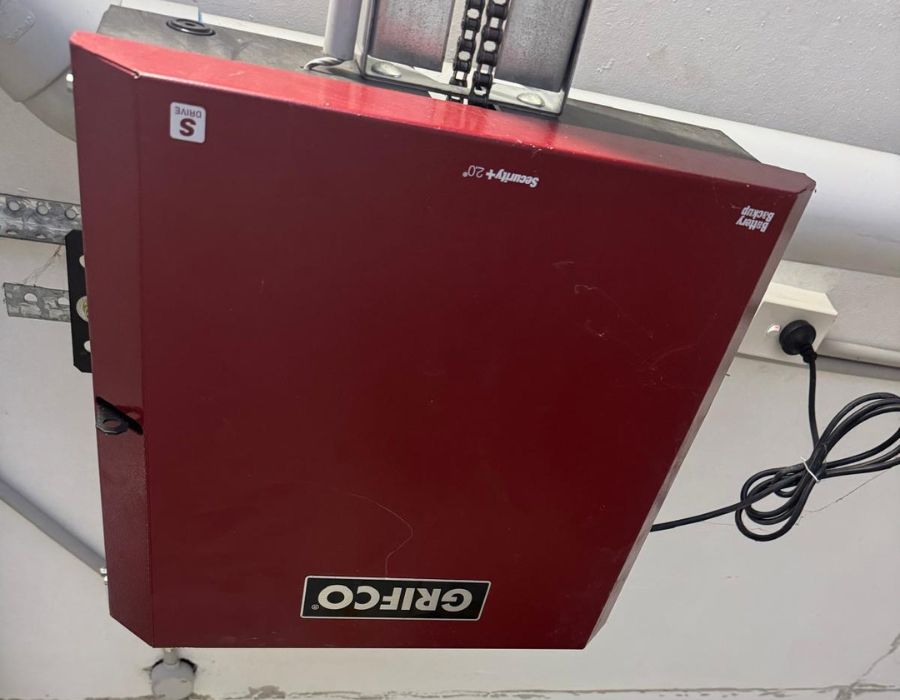
An automatic roller door uses an electric motor to raise and lower the door. You operate it with a remote control, a wall-mounted button, or a smartphone app. Some models also include sensors that detect your car approaching.
The core trade-off is simple. Manual doors cost less upfront and have fewer parts that can fail. Automatic doors offer daily convenience and often include better security features built into the motor and locking system.
For Sydney households where the garage is the main entry point to the home, automatic doors have become the standard choice. But manual doors still make strong sense in certain situations, which we cover below.
Compare upfront costs and installation for both door types
Cost is usually the first factor people consider. Here is a realistic breakdown of what you can expect to pay in Sydney for supply and installation.
| Door Type | Entry Level | Mid Range | Premium |
|---|---|---|---|
| Manual Roller Door | $600 to $900 | $900 to $1,400 | $1,400 to $2,000 |
| Automatic Roller Door | $1,200 to $1,800 | $1,800 to $2,600 | $2,600 to $3,500+ |
These prices include a standard single-car garage door and professional installation. Double garage doors will add roughly 30 to 50 percent to the total cost. Custom sizes, insulated panels, and timber-look finishes also push the price up.
Installation for a manual door typically takes two to three hours. Automatic doors take three to five hours because the motor, rail, and wiring all need to be fitted and tested correctly.
AJ Services Group supplies and installs both manual and automatic roller doors across Sydney. We provide fixed quotes before any work begins, so there are no surprises on the invoice.
Weigh up the pros and cons of manual roller doors
Manual roller doors are not outdated. They are still a practical choice in the right situation. Here is an honest look at both sides.
- Lower upfront cost. Manual doors are significantly cheaper to buy and install, making them a solid option for investment properties, workshops, or secondary garages.
- Fewer things to go wrong. No motor means no motor failures, no electrical faults, and no need to replace remote batteries or reprogram sensors.
- No power dependency. A manual door works fine during a blackout, which does happen in parts of Sydney during storms.
- Lower maintenance costs. Routine servicing is simpler and cheaper without electrical components to inspect or repair.
- Physical effort required. You need to get out of your car in rain or at night to open and close the door. This is a genuine daily inconvenience for most people.
- Less secure locking. Most manual roller doors use a simple pad bolt or T-handle lock. Automatic doors often include internal deadlocking that is harder to force open.
- Less suitable for elderly or injured users. If the spring tension is off or the door is heavy, operating it manually can be physically demanding.
Weigh up the pros and cons of automatic roller doors
Automatic roller doors dominate new home builds across Sydney for good reason. The convenience factor is hard to argue with once you have used one daily.
- Hands-free operation. Open and close the door from inside your car using a remote or wall button. Especially useful during wet Sydney winters or when carrying groceries.
- Better security. Most automatic motors include auto-locking when the door closes. Many modern units also work with smart home systems for activity monitoring.
- Safety features included. Quality automatic doors have obstacle detection sensors. If something is in the path of the closing door, the motor reverses automatically.
- Higher purchase and install cost. The motor, rail system, and wiring add significantly to the price compared to a manual door.
- Motor servicing required. Electric motors need periodic lubrication and inspection. Budget for a professional service every two to three years.
- Power outage access. Most motors include a manual release cord for emergencies, but this needs to be understood before a blackout occurs.
- Connectivity upgrades available. Higher-end models connect to apps like MyQ or integrate with Google Home and Amazon Alexa for remote monitoring.
Review ongoing running and maintenance costs over time
The upfront price is only part of the picture. Ongoing costs matter especially if you plan to stay in your Sydney home for ten or more years.
| Cost Item | Manual Door | Automatic Door |
|---|---|---|
| Annual electricity cost | None | $5 to $15 per year |
| Routine service (every 2-3 years) | $80 to $150 | $120 to $250 |
| Spring replacement | $150 to $300 | $150 to $300 |
| Motor replacement | Not applicable | $400 to $800 |
| Remote replacement | Not applicable | $30 to $80 |
| Panel or slat repair | $100 to $400 | $100 to $400 |
Over a ten-year period, a manual door will typically cost $400 to $800 in maintenance. An automatic door will cost $700 to $1,500 over the same period, factoring in motor servicing and the occasional remote or sensor replacement.
The electricity cost of running an automatic roller door is minimal. Most motors draw very little power per cycle, so this is rarely a meaningful factor in the decision.
Consider what matters most for Sydney homes specifically
Sydney’s climate, housing styles, and lifestyle patterns shape which door type makes more practical sense for local homeowners.
Sydney receives around 1,200mm of rainfall annually, and summer storms can be intense. Having an automatic door means you never need to step outside in heavy rain to operate your garage. This alone is a compelling reason for Sydney households that use the garage as their primary entry point.
Coastal Sydney suburbs like Cronulla, Manly, and Bondi also experience salt-laden air. Both manual and automatic doors in these areas need corrosion-resistant materials, such as Colorbond steel slats or powder-coated aluminium. AJ Services Group recommends marine-grade finishes for properties within two kilometres of the coast.
Sydney’s bushfire-prone zones in the Hills District, the Blue Mountains fringe, and parts of the Northern Beaches also have construction requirements under the Building Code of Australia. Doors in BAL-rated areas may need fire-resistant materials, which affects both door type and price.
From a property value perspective, Sydney real estate agents consistently report that automatic roller doors are expected in homes priced above the median. A manual door on a premium home may be noticed as a shortcoming by buyers.
FAQs on manual vs automatic roller doors
Can I convert my existing manual roller door to automatic?
Yes, in most cases a motor can be retrofitted to an existing manual roller door without replacing the door itself. This typically costs $600 to $1,000 for the motor and installation. It is worth having a technician assess the door’s condition first, as worn springs or damaged slats may need attention before adding a motor.
How long do automatic roller door motors last?
A quality motor from brands like B&D, Merlin, or ATA will typically last 10 to 15 years with regular servicing. Cheaper imported motors may only last five to seven years. Using your door more than four to six times per day will shorten the motor’s lifespan, so higher-cycle motors are worth considering for busy households.
What happens to my automatic roller door during a power outage?
All automatic roller doors sold in Australia are required to have a manual release mechanism, usually a red cord that disengages the motor carriage. Once released, the door can be operated by hand. Some premium motors also include battery backup so the door operates normally during short outages.
Are automatic roller doors safer than manual ones?
Automatic doors include obstacle detection sensors that stop and reverse the door if something is in its path, which is a key safety advantage over manual operation. From a security standpoint, automatic doors with internal deadlocking are also harder to force open than most manual locking systems. Both door types can be made secure with the right hardware.
How much does it cost to service a roller door in Sydney?
A standard roller door service in Sydney costs between $120 and $250 for an automatic door and $80 to $150 for a manual door. Servicing typically includes lubricating moving parts, checking spring tension, testing safety sensors, and inspecting the motor or drive mechanism. AJ Services Group recommends servicing every two years for regular use.
Which door type adds more value to a Sydney home?
Automatic roller doors are generally expected by buyers in Sydney’s current market, particularly for homes priced at the median and above. A well-maintained automatic door in a complementary finish can contribute positively to a property’s street appeal. Manual doors are less likely to be seen as a selling point but will not significantly detract from value on budget properties.
Wrap up and next steps
Manual roller doors offer a lower cost and simpler setup, making them practical for secondary garages, investment properties, and tight budgets. Automatic roller doors deliver daily convenience, better built-in security, and are the expected standard in most Sydney homes today.
If you are still unsure which option suits your property, AJ Services Group can assess your garage, walk you through the options, and give you a clear, fixed quote with no obligation. We install and service both manual and automatic roller doors across greater Sydney.
Call AJ Services Group today or use our online form to schedule a free on-site quote. Our team is based in Sydney and can usually arrange a visit within a few business days.