A standard switchboard upgrade takes between 2 and 8 hours for most Sydney homes. Larger properties, older wiring systems, or jobs requiring council permits can push that to a full day or more. This article covers what affects the timeline, what to expect on the day, and how to avoid delays.
Understand What a Switchboard Upgrade Actually Involves
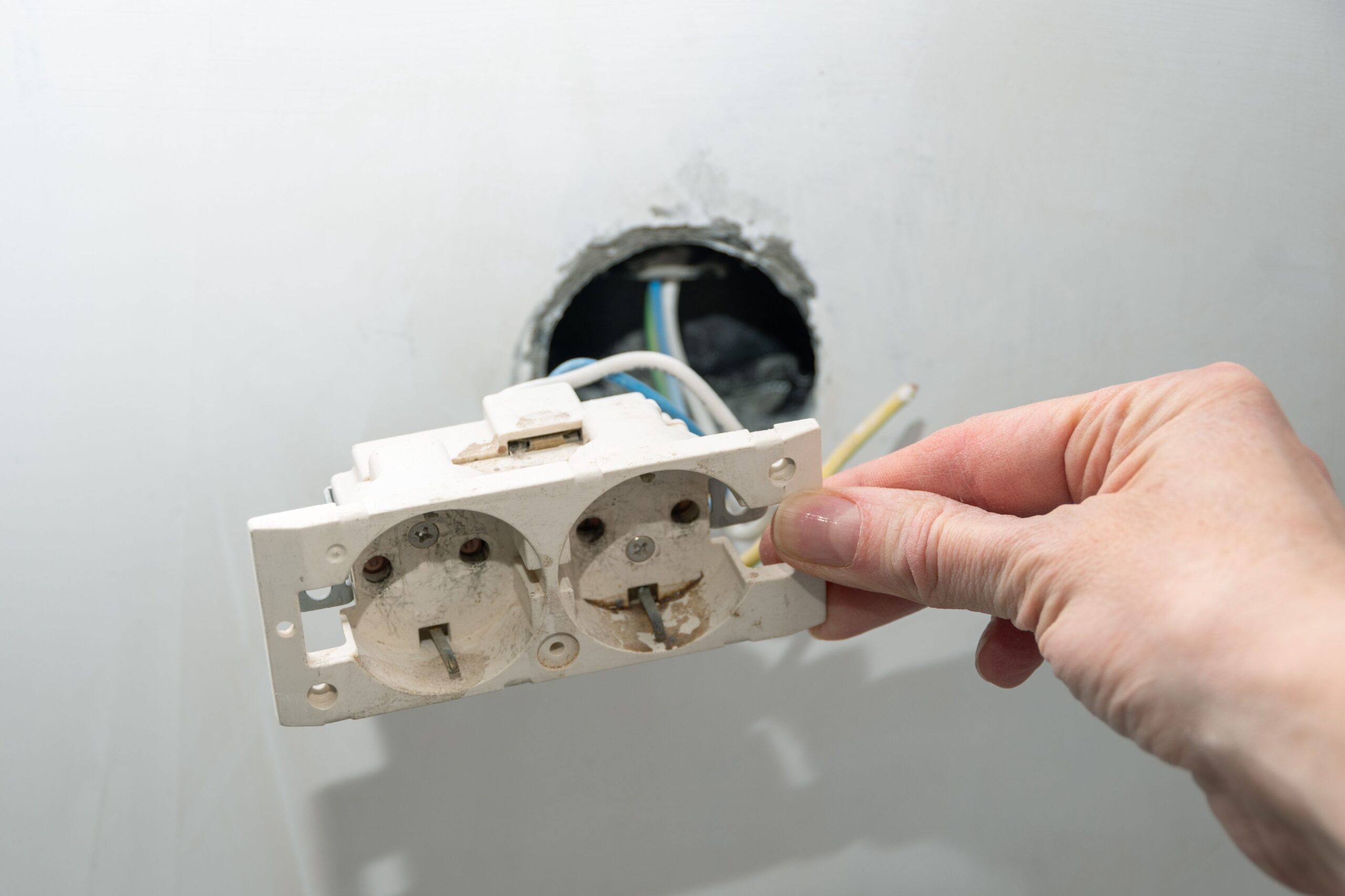
A switchboard upgrade is not just a simple swap. Your licensed electrician removes the old fuse box, installs a new consumer mains board fitted with circuit breakers, and checks that your wiring meets current Australian standards.
In Sydney, switchboards must comply with AS/NZS 3000:2018, which is the Australian Wiring Rules. Older homes built before the 1980s often have ceramic fuses, outdated wiring, and no safety switches. Bringing these up to code adds time to the job.
The electrician also needs to isolate the power supply, which means coordinating with Ausgrid or Endeavour Energy to disconnect and reconnect the main supply. That coordination step alone can add an hour or two depending on the network operator’s availability.
See How Property Size and Age Affect the Timeline
The single biggest factor in how long a switchboard upgrade takes is the size and age of your property. A small two-bedroom unit in Parramatta will take far less time than a five-bedroom house in the Hills District with a double garage and a pool.
Here is a general breakdown of expected timeframes based on property type:
| Property Type | Estimated Time | Notes |
|---|---|---|
| 1-2 bedroom apartment | 2 to 3 hours | Fewer circuits, modern wiring in most cases |
| 3-4 bedroom house (post-1990) | 3 to 5 hours | More circuits but typically compliant wiring |
| 3-4 bedroom house (pre-1980) | 5 to 8 hours | Old fuse systems, possible rewiring needed |
| Large home or dual occupancy | Full day or more | Multiple boards, complex layouts |
| Commercial or strata property | Varies significantly | Requires separate assessment |
If your home was built before 1970, budget for the longer end of these ranges. Homes that age frequently have rubber-sheathed wiring that needs attention before a new board can be safely installed.
Know What Happens Step by Step on the Day
Understanding the process helps you plan around it. Here is what a typical switchboard upgrade looks like on the day of the job:
- Site assessment: The electrician inspects your existing board, checks the meter box, and identifies any immediate hazards. This usually takes 20 to 30 minutes.
- Power disconnection: The main supply is isolated, either by the electrician or by the network distributor. You will have no power during this stage.
- Old board removal: The existing fuse box is removed carefully. If there are asbestos-backed boards (common in Sydney homes built before 1985), licensed asbestos removal may be required first.
- New board installation: The new switchboard is fitted, circuit breakers are connected, and safety switches (RCDs) are installed on all circuits as required by law.
- Testing and labelling: Every circuit is tested and clearly labelled. This step is non-negotiable and ensures your board is safe and compliant.
- Power restoration: The supply is reconnected and the electrician does a final check before leaving the site.
AJ Services Group follows this exact process on every upgrade job in Sydney. Clear labelling and full circuit testing are included as standard, not extras.
Learn Which Factors Can Extend the Job Beyond One Day
Most switchboard upgrades finish in a single day. However, certain situations push the job into a second day or require a follow-up visit. Knowing these in advance helps you plan better.
- Asbestos removal: Sydney homes built between 1950 and 1985 often have asbestos sheeting behind the meter box. This must be removed by a licensed asbestos removalist before electrical work can start, which means a separate booking.
- Permit and inspection requirements: Some upgrade jobs in NSW require a Certificate of Compliance for Electrical Work (CCEW). If a council inspection is also triggered, that adds scheduling time.
- Rewiring portions of the home: If old wiring is unsafe and cannot support the new board, partial rewiring extends the job significantly.
- Network distributor delays: Getting Ausgrid or Endeavour Energy to disconnect and reconnect the supply on the same day is not always guaranteed. Delays here can pause the whole job.
- Upgrading the meter box at the same time: If your meter box also needs replacing, that can add two to three hours to the overall timeline.
Getting a proper on-site quote before the job starts is the best way to identify these issues early. AJ Services Group always conducts a full inspection before confirming a timeline with you.
Compare Common Switchboard Upgrade Scenarios in Sydney
Pricing and timing often go hand in hand. Here is how different scenarios in the Sydney market typically compare, based on real job complexity rather than guesswork.
| Scenario | Estimated Duration | Typical Cost Range (AUD) |
|---|---|---|
| Basic upgrade, apartment, no complications | 2 to 3 hours | $800 to $1,200 |
| Standard house upgrade, post-1990 | 4 to 5 hours | $1,200 to $2,000 |
| Older home, partial rewiring needed | 6 to 10 hours | $2,000 to $4,000 |
| Upgrade plus asbestos removal | 2 days (separate trades) | $2,500 to $5,000+ |
| Commercial or multi-unit upgrade | Varies | Quote required |
These ranges reflect Sydney market rates as of 2025. Costs vary depending on the electrician, the specific materials used, and the complexity of your installation. Always get a written quote before work begins.
Prepare Your Home to Avoid Delays on the Day
A little preparation on your end can keep the job moving and avoid unnecessary waiting time. Here is what you can do before your electrician arrives:
- Clear the area around your meter box and switchboard so the electrician has easy access.
- Ensure pets are secured and children are kept away from the work area.
- Let your neighbours know there may be brief power interruptions if you share a supply line.
- Charge phones, laptops, and any essential devices the night before, since power will be off for several hours.
- If you work from home, arrange an alternative workspace or let your employer know in advance.
- Have a list of any electrical issues you have noticed, such as tripping circuits or flickering lights, so you can mention them during the initial assessment.
Good preparation means your electrician can get straight to work rather than spending the first hour problem-solving access or safety issues.
FAQs on How Long a Switchboard Upgrade Takes
Can I stay home during a switchboard upgrade?
Yes, you can stay home, but you need to be prepared for a full power outage lasting several hours. Keep in mind that lights, appliances, and any electric heating or cooling will be off during the upgrade. It is a good idea to plan around the outage rather than trying to work through it.
Do I need a permit for a switchboard upgrade in NSW?
In NSW, all electrical work must be carried out by a licensed electrician, and a Certificate of Compliance for Electrical Work (CCEW) is required for switchboard upgrades. Your electrician handles this documentation as part of the job. You do not need to apply for it yourself, but you should receive a copy once the work is complete.
How long does a switchboard upgrade take for an older Sydney home?
Older Sydney homes, particularly those built before 1980, typically take longer due to outdated wiring, ceramic fuses, and potential asbestos concerns. Expect the job to take anywhere from 6 to 10 hours, or possibly across two days if asbestos removal is required first. An on-site inspection will give you a more accurate estimate.
Will my power be off all day during the upgrade?
Power will be off for most of the job, typically for 3 to 7 hours depending on the complexity of the work. The electrician will restore power as soon as the board is installed, tested, and certified safe. If there are delays with the network distributor reconnecting the supply, this window may extend slightly.
What is the difference between a switchboard upgrade and a rewire?
A switchboard upgrade replaces the fuse box with a modern consumer mains board fitted with circuit breakers and safety switches. A rewire involves replacing the actual wiring throughout the walls of your home. Sometimes an upgrade reveals that a partial rewire is also needed, but the two are separate jobs with different costs and timeframes.
How do I know if my switchboard needs upgrading?
Common signs include fuses that blow frequently, a board that still uses ceramic fuses rather than circuit breakers, no safety switches installed, or a board that cannot handle modern appliances like air conditioners or EV chargers. If your switchboard is more than 25 years old, it is worth having it inspected by a licensed electrician.
Wrap Up and Next Steps
For most Sydney homeowners, a switchboard upgrade takes between 2 and 8 hours and is completed in a single day. Older homes, complex wiring, or asbestos concerns can extend that timeline, which is why an on-site inspection before booking is so important.
AJ Services Group handles switchboard upgrades across Sydney, from apartments in the inner west to large family homes in the outer suburbs. Our licensed electricians assess your property, give you a clear timeline, and get the job done to code with full documentation.
Call AJ Services Group today or request a quote online to book your switchboard inspection and upgrade.