Written by AJ Services Group | Published on June 2025
For most Sydney properties, roller doors work best in tight spaces like garages and commercial bays, while automatic sliding doors suit high-traffic entries, retail fronts, and wider openings. The right choice comes down to clearance, usage frequency, and budget. This article compares both options across cost, security, maintenance, and suitability so you can decide with confidence.
Understand the Core Difference Between Roller and Sliding Doors
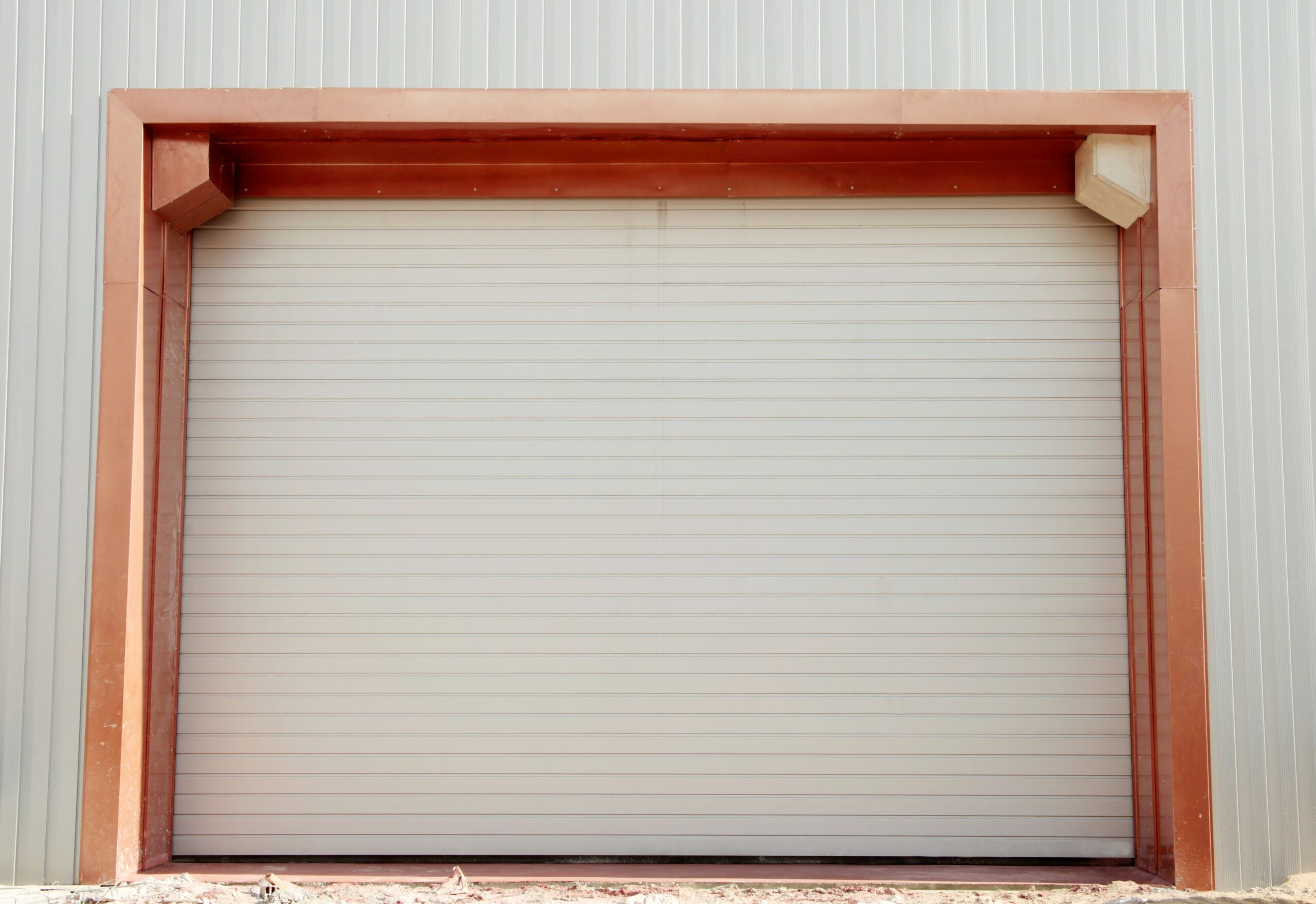
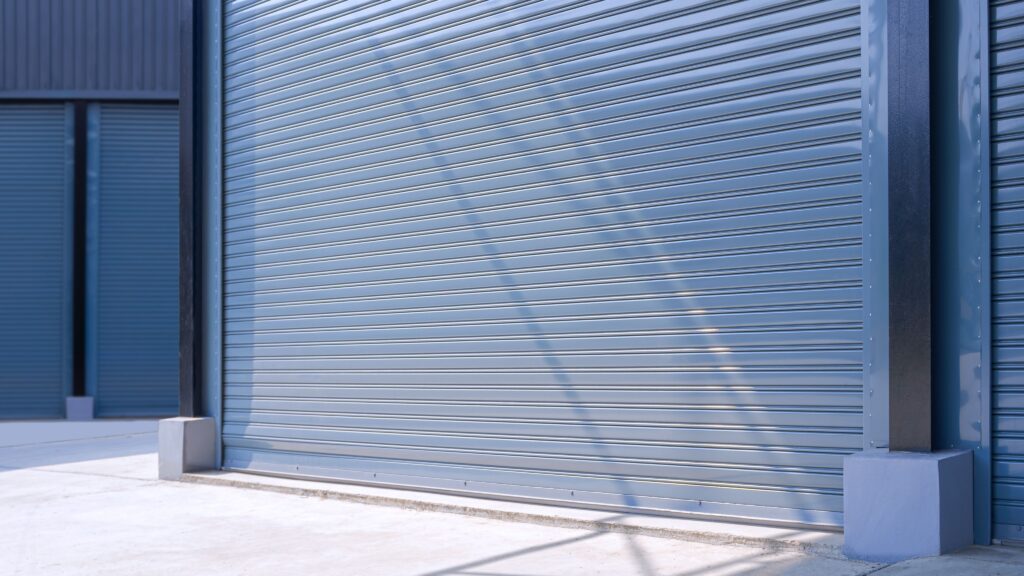
Roller doors coil upward into a drum above the opening when opened. They need minimal horizontal space but require ceiling clearance above the door frame. Automatic sliding doors move horizontally along a track and need clear wall space beside the opening.
Both are motorised and can be integrated with access control systems. The key difference is how each manages the space around the opening, not just the aesthetics.
- Roller doors suit garages, warehouses, and service bays where ceiling space is available but side walls are limited.
- Automatic sliding doors suit building entries, retail shopfronts, medical centres, and anywhere foot traffic is high.
- Roller doors open and close faster on average, typically 3 to 8 seconds per cycle.
- Sliding doors open more smoothly for pedestrian flow and are ADA and DDA compliant by default.
- Both can be fitted with safety sensors, remote access, and interlock systems.
At AJ Services Group, we install and service both door types across Sydney. The most common mistake we see is choosing a door type based on looks before checking whether the site actually suits it.
Compare Costs: Roller Doors vs Automatic Sliding Doors in Sydney
Pricing in Sydney varies based on door size, material, motor grade, and installation complexity. The table below gives a realistic range for each door type at common entry widths.
| Door Type | Opening Width | Estimated Supply and Install Cost (AUD) | Motor Included |
|---|---|---|---|
| Roller Door (manual) | 2.4m to 3m | $900 to $1,500 | No |
| Roller Door (automatic) | 2.4m to 3m | $1,400 to $2,800 | Yes |
| Roller Door (commercial grade) | 4m to 6m | $3,500 to $7,000+ | Yes |
| Auto Sliding Door (pedestrian) | 1.2m to 2.4m | $4,500 to $9,000 | Yes |
| Auto Sliding Door (commercial) | 2.4m to 4m+ | $8,000 to $20,000+ | Yes |
Automatic sliding doors carry a higher upfront cost because they include more components: sensors, drive motors, track systems, and safety beams. Roller doors are more affordable to install but may need additional access control hardware added separately.
Ongoing costs differ too. Roller door motors are simpler and cheaper to service. Sliding door systems have more moving parts and typically cost $200 to $500 per service call in Sydney.
Assess Your Space and Building Layout Before Choosing
Your site layout will often make the decision for you. Before comparing brands or finishes, measure these three things at your entry.
- Headroom: Roller doors need 300mm to 500mm of clear space above the opening for the drum and motor. If you have a low ceiling or overhead pipework, a roller door may not fit without modifications.
- Side clearance: Automatic sliding doors need open wall space equal to at least the door width on one or both sides. A 2.4m sliding door needs roughly 2.4m of clear wall beside the opening.
- Traffic type: Roller doors handle vehicle access well. Sliding doors are designed for pedestrian flow and can be triggered by motion sensors for hands-free entry.
Sydney commercial properties in the CBD and inner suburbs often have limited floor space and heritage facade restrictions. In those situations, roller doors that open vertically are frequently the practical choice. Newer suburban developments with wide shopfronts often suit sliding doors better.
The AJ Services Group team carries out site assessments before recommending any door type. Measuring correctly before ordering avoids costly rework later.
Compare Security Features Side by Side
Security is a major factor for both residential and commercial entries. Here is how the two door types compare across common security criteria.
| Security Feature | Roller Door | Automatic Sliding Door |
|---|---|---|
| Forced entry resistance | High (steel curtain, no external handle) | Moderate to high (depends on frame and lock type) |
| Access control integration | Yes (keypad, remote, card reader) | Yes (keypad, fob, biometric, intercom) |
| Safety sensors | Standard on most motorised models | Standard (infrared, motion, pressure) |
| After-hours lockdown | Excellent, door forms a solid barrier | Good, but glass panels can be a vulnerability |
| Visibility through door | None (solid curtain) | High (usually glass) |
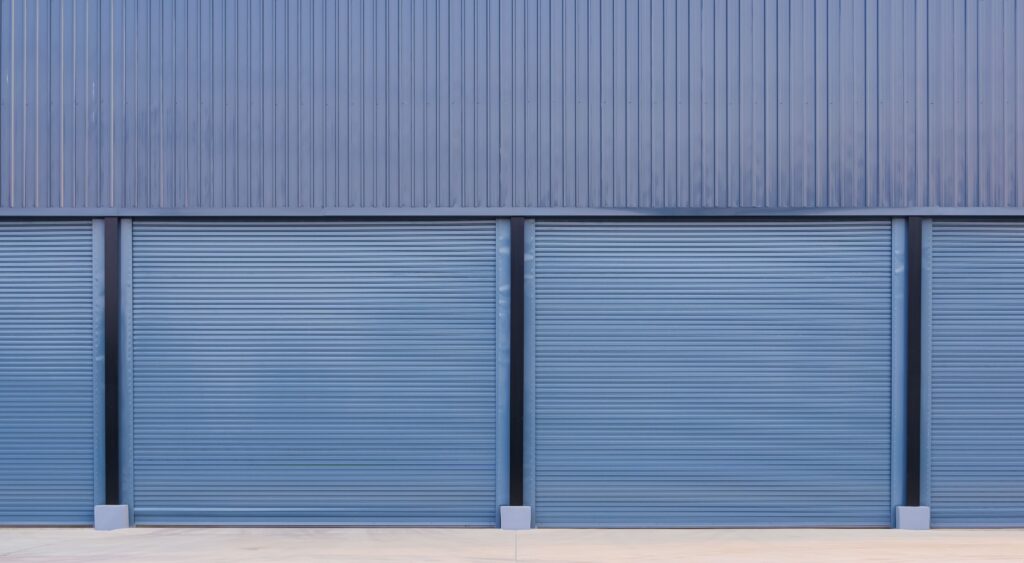
For sites where security is the top priority, like warehouses, storage facilities, or industrial yards in Sydney’s outer suburbs, roller doors with steel slat construction are hard to beat. They form a sealed barrier with no visible hinges or gaps to attack.
Automatic sliding doors prioritise access convenience and visibility. Most commercial installations use toughened or laminated glass, which adds significant resistance. But if a full blackout barrier is needed after hours, a roller door wins.
Consider Sydney-Specific Conditions That Affect Your Choice
Sydney’s coastal climate, humidity, and salt air affect door longevity. Properties within 5km of the coast, including areas like Bondi, Manly, Cronulla, and the Northern Beaches, face accelerated corrosion on metal components.
- Roller doors near the coast should use powder-coated or galvanised steel, or aluminium slats, to resist salt corrosion.
- Sliding door tracks and rollers need stainless steel or marine-grade hardware in coastal areas.
- Sydney’s summer humidity can cause swelling in timber-adjacent frames. Aluminium framing is preferred for both door types in humid areas.
- High wind zones, particularly in elevated western Sydney suburbs and exposed coastal properties, require doors rated for wind uplift. Check with your supplier for wind load ratings.
- Council and strata approval may be required for external door changes in heritage zones, including parts of Newtown, Paddington, and Glebe.
Sydney Building Code compliance under the National Construction Code (NCC) applies to both door types. Automatic doors in public buildings must also meet AS 5007, the Australian Standard for automatic pedestrian doors. AJ Services Group installs doors to full compliance on every job.
Understand Maintenance Requirements for Each Door Type
Both door types need regular maintenance to keep motors running and prevent safety issues. The frequency and cost differ, so it is worth factoring this into your total cost of ownership.
Roller door maintenance typically involves lubricating the slats and drum, checking motor brushes, testing the safety reversal mechanism, and inspecting bottom seals. A standard service in Sydney costs around $150 to $300 and should be done annually for residential use or every 6 months for commercial use.
Automatic sliding door maintenance is more involved. Technicians check the drive belt or chain, clean and adjust the track, test sensor alignment, inspect the safety beam system, and test emergency manual release. Expect to pay $250 to $500 per service in Sydney, with high-traffic doors needing quarterly checks.
- Roller doors: lower maintenance cost, simpler parts, faster repair turnaround.
- Sliding doors: more parts to check, but most reputable brands carry local spare parts in Sydney.
- Both types benefit from an annual service contract to avoid emergency callout fees.
- AJ Services Group offers maintenance agreements for both roller and sliding door systems across greater Sydney.
Neglecting maintenance is the main reason doors fail early. A door that cycles 50 or more times per day, like a warehouse bay or a busy retail entry, needs servicing more often than one used a handful of times daily.
FAQs on Roller Doors vs Automatic Sliding Doors
Can I convert my existing roller door to automatic?
Yes, in most cases a motor can be retrofitted to a manually operated roller door. The door and guide tracks need to be in good condition and compatible with the motor unit. AJ Services Group can inspect your existing door and confirm whether a motor upgrade is feasible before you commit to a full replacement.
Are automatic sliding doors suitable for a residential home?
They are less common in residential settings but not unusual on modern homes with wide entries or internal courtyards. The main challenge is cost, as residential sliding door systems still start around $4,500 to $6,000 installed. For most home garages, an automatic roller door is more practical and cost-effective.
How long do automatic roller doors last in Sydney?
A quality residential roller door motor typically lasts 10 to 15 years with annual servicing. Commercial-grade motors on heavier doors can last longer but work harder. Coastal properties may see shorter lifespans on steel components if the door is not properly coated for salt air exposure.
Do automatic sliding doors need council approval in Sydney?
Changes to external building entries may require a Development Application (DA) or Complying Development Certificate (CDC) depending on the property zone, heritage status, and the extent of structural work involved. Commercial properties in some inner-city zones have specific facade requirements. Always check with your local council before ordering.
What happens if the power goes out? Can I still open the door?
Both roller doors and automatic sliding doors include a manual override or emergency release feature. Roller doors can be unlocked and lifted manually from inside. Sliding doors have a manual slide function once the motor is disengaged. Battery backup units are also available for both types if continuous operation during outages is critical.
Which door type is better for high-traffic commercial entries?
Automatic sliding doors are purpose-built for high pedestrian traffic. They open hands-free via motion detection, which improves flow and reduces contact points, which is especially valued in healthcare, hospitality, and retail settings. For vehicle-heavy commercial entries, high-speed roller doors rated for frequent cycling are the stronger choice.
Wrap Up and Next Steps
Roller doors and automatic sliding doors both have a clear place depending on your space, usage, and budget. Roller doors are the practical choice for most garages, industrial units, and security-focused sites. Automatic sliding doors suit pedestrian entries, retail fronts, and any space where smooth hands-free access matters.
If you are still unsure which suits your property, the team at AJ Services Group can assess your site and give you a straight recommendation based on what actually works, not just what is most expensive. We service residential and commercial properties across greater Sydney.
Contact AJ Services Group today to book a site assessment or request a quote. Call us directly or use our online form to get started.