For most Sydney homes, wireless security alarms are the better starting point, offering faster installation, lower upfront cost, and flexibility for renters and apartment dwellers. Wired systems, however, win on long-term reliability and are often preferred for larger properties or new builds. This article covers costs, key differences, local considerations, and how to choose the right system for your situation.
Understand the Core Difference Between Wired and Wireless Security Alarms
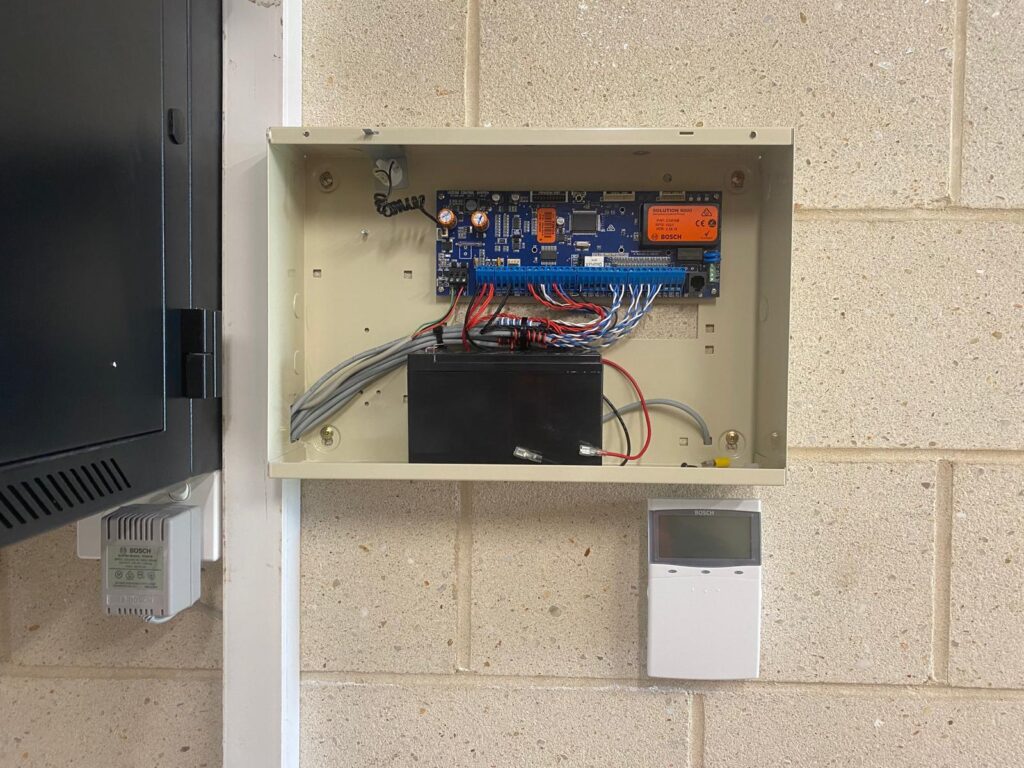
A wired security alarm connects every sensor, detector, and siren back to a central control panel using physical cables run through your walls. A wireless system uses radio frequency signals to link those same components without any cabling.
Both systems can include motion detectors, door and window sensors, sirens, and monitoring connections. The difference is in how those components talk to each other and how they are installed.
Wired systems have been the industry standard for decades. Wireless technology has improved significantly and now offers comparable reliability in most residential settings across Sydney.
Understanding this core difference helps you evaluate every other factor, including cost, installation time, and which properties each system suits best.
Compare Wired vs Wireless Security Alarm Costs for Sydney Homes
Cost is usually the first question Sydney homeowners ask when comparing these two systems. Here is a realistic breakdown based on current Sydney market rates.
| Cost Factor | Wired System | Wireless System |
|---|---|---|
| Equipment cost (basic) | $500 to $1,200 | $300 to $900 |
| Installation labour | $400 to $1,200 | $100 to $500 |
| Total installed cost | $800 to $2,500 | $400 to $1,800 |
| Ongoing monitoring (monthly) | $20 to $50 | $20 to $50 |
| Battery replacement (annual) | Not required | $50 to $150 |
| Expansion cost per zone | $80 to $200 | $60 to $150 |
Wired systems cost more to install because the electrician needs to run cables through walls, ceilings, and floors. In older Sydney homes with double-brick construction, that labour time increases significantly.
Wireless systems save on installation time, but you will need to replace batteries in sensors every one to three years depending on the brand and usage. Factor that into your long-term budget.
Identify Which System Suits Your Sydney Property Type
Not every security system is right for every property. The type of home you own or rent in Sydney plays a big role in which direction you should go.
Wired systems are generally better suited for:
- New builds where cabling can be installed before walls are closed
- Large freestanding homes in suburbs like Wahroonga, Castle Hill, or Kellyville
- Properties where the owner wants a permanent, high-reliability system
- Commercial premises or home offices requiring professional-grade protection
- Homes with existing conduit infrastructure from an older system
Wireless systems work better for:
- Renters in Sydney apartments who cannot modify walls
- Heritage-listed homes in suburbs like Balmain or Paddington where wall penetration is restricted
- Homeowners who want a fast installation with minimal disruption
- Smaller properties like units and townhouses in inner-west or eastern suburbs
- People who may move and want to take their system with them
The AJ Services Group team regularly helps Sydney homeowners assess their property before recommending a system. Getting that assessment before purchasing equipment can save you money and headaches.
Weigh the Pros and Cons of Each System Side by Side
Looking at both systems together makes it easier to decide. Here is a direct comparison of the key advantages and limitations.
| Feature | Wired | Wireless |
|---|---|---|
| Reliability | Very high, no signal interference | High, can be affected by thick walls |
| Installation time | 1 to 3 days | 2 to 6 hours |
| Suitable for renters | No | Yes |
| Tamper resistance | High | Moderate to high |
| Expandability | Moderate | Easy |
| Power dependency | Mains power with backup | Batteries plus optional mains |
| Remote access | Available on modern panels | Standard feature |
| Interference risk | None | Low but possible |
| Aesthetic impact | Cables visible during install | Clean, minimal |
One thing worth noting for Sydney specifically: older brick homes common in suburbs like Strathfield or Burwood can block wireless signals between sensors and the control panel. An electrician can test signal strength before finalising placement.
Understand Sydney-Specific Regulations and Installation Requirements
Sydney homeowners need to be aware of a few local rules before installing a security alarm system, whether wired or wireless.
Under Australian Standard AS 2201, alarm systems installed by professionals must meet specific performance and installation requirements. This standard applies to both wired and wireless systems used in monitored alarm setups.
If your system connects to a monitoring centre, the provider must be licensed under the Security Industry Act 1997 in New South Wales. This applies to companies providing 24/7 monitoring services.
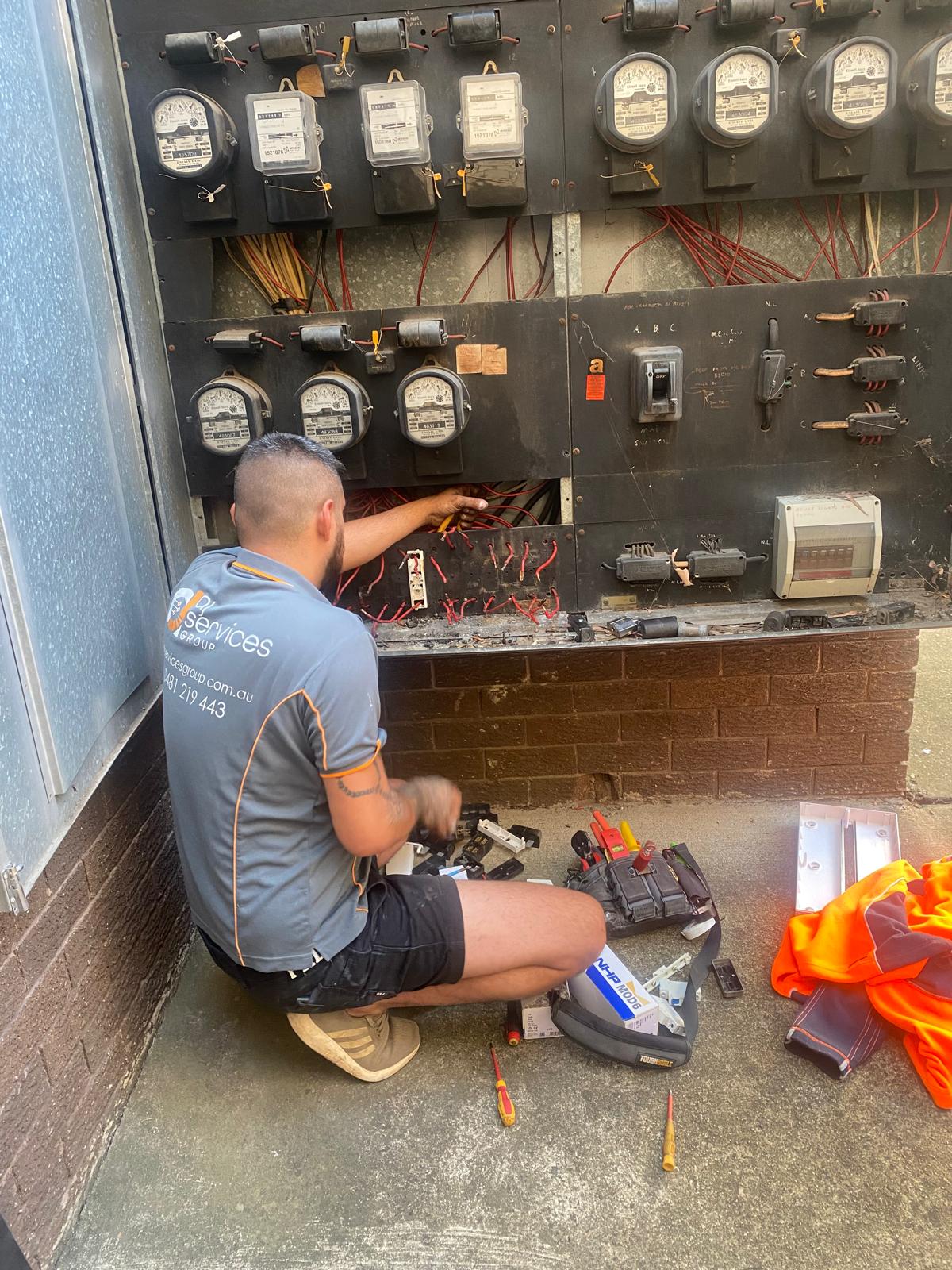
For wired systems specifically, any electrical work involving 240V mains connection must be performed by a licensed electrician under NSW fair trading regulations. DIY mains wiring is illegal in New South Wales.
Heritage overlay zones in parts of inner Sydney may restrict how cabling is run through walls or facades. Check with your local council before drilling or running cables externally on heritage-listed properties.
AJ Services Group holds the relevant electrical and security installation licences for NSW, so every installation we complete is fully compliant with local regulations.
Choose the Right Brands and Equipment for Sydney Conditions
Brand and equipment choice matters, especially in Sydney where coastal salt air, heat, and humidity can affect outdoor components over time.
For wired systems, commonly used and trusted brands in Australia include Bosch, Inner Range, and Hills. These are widely used by Sydney security installers and have good local support networks.
For wireless systems, popular options in the Sydney market include DSC, Paradox, and Ajax. Ajax in particular has grown quickly in popularity because of its app-based control and strong signal performance in residential buildings.
When choosing outdoor sensors and sirens for Sydney properties, look for IP54 or higher weather resistance ratings. Sydney’s coastal areas like Manly, Cronulla, and Bondi experience salt-laden air that can corrode cheaper outdoor components within a year or two.
Indoor sensors are generally less affected by climate, but in poorly ventilated spaces or older homes without air conditioning, temperature extremes can affect wireless sensor battery life.
Ask your installer which brands they stock and service locally. A brand with poor Sydney-based support means longer wait times if a component fails.
FAQs on Wired vs Wireless Security Alarms in Sydney
Can I install a wireless security alarm myself in Sydney?
You can install a basic wireless alarm yourself if it does not require a mains 240V connection. However, any connection to mains power must be done by a licensed electrician under NSW law. For monitored systems that meet AS 2201, professional installation is strongly recommended.
How long does a wired alarm installation take in a Sydney home?
A standard wired installation in a three or four bedroom home typically takes one to three days. Homes with double-brick walls or complex floor plans take longer because running cables is more labour-intensive. An electrician will assess the property before giving you a timeline.
Will a wireless alarm work in an apartment building in Sydney?
Yes, wireless alarms work well in most Sydney apartments. Signal performance depends on wall materials and floor thickness between units. Brands like Ajax use 868 MHz frequency which penetrates concrete better than older 433 MHz systems. A site check confirms coverage before installation.
Does a wired alarm still work during a power outage in Sydney?
Most wired alarm panels include a backup battery that keeps the system running for 4 to 24 hours during a power outage. The backup duration depends on the panel and battery size. Your installer should confirm backup time when setting up your system.
Which system is harder to disable during a break-in?
Wired systems are generally harder to defeat because there is no radio signal to jam. However, modern wireless systems include anti-jamming detection and tamper alerts that notify you or the monitoring centre immediately. Both systems provide strong deterrence when professionally installed and monitored.
Is monitoring mandatory for security alarms in NSW?
Monitoring is not legally required for residential alarms in NSW. However, unmonitored alarms rely on neighbours or bystanders to report an activation. Many Sydney homeowners choose monitoring for peace of mind, especially when travelling or with remote properties.
Wrap Up and Next Steps
For most Sydney homeowners, wireless systems offer the best combination of cost, flexibility, and ease of installation. Wired systems remain the stronger choice for new builds, large properties, or anyone wanting a permanent high-reliability setup. Both protect your home effectively when installed correctly.
AJ Services Group installs and services both wired and wireless security alarm systems across Sydney. Our licensed electricians can assess your property, recommend the right system, and handle the full installation to NSW standards.
Contact AJ Services Group today to book a free site assessment or request a quote. Call us directly or use our online form to get started.