Electrical fitouts for new commercial spaces involve planning, installation, and certification work that typically takes two to eight weeks depending on the size and complexity of the project. Costs in Sydney generally range from $15,000 for small tenancy fitouts up to $150,000 or more for large open-plan offices or retail spaces. This article covers every major stage of a commercial electrical fitout, including what tradespeople do, what you need to budget for, and how to avoid common delays.
Understand What a Commercial Electrical Fitout Actually Includes
A commercial electrical fitout is not just about installing light fittings and power points. It covers the full scope of electrical infrastructure needed to make a space safe, functional, and compliant with Australian Standards.
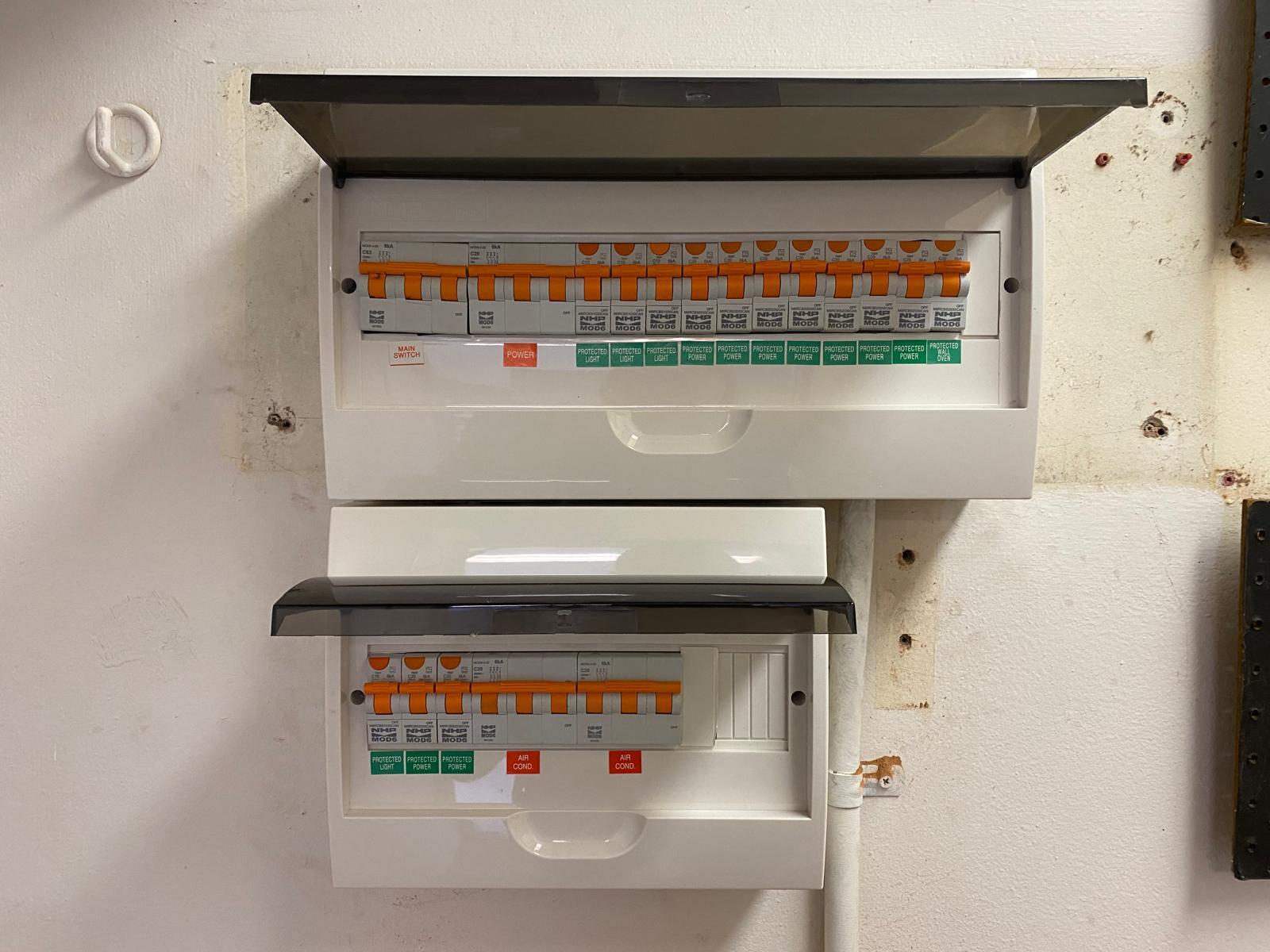
For most Sydney commercial tenancies, this includes switchboard design and installation, general power circuits, lighting layouts, data and communications cabling, emergency lighting, exit signs, and safety switches. Some projects also involve three-phase power for kitchen equipment or machinery.
The fitout must comply with AS/NZS 3000:2018, also known as the Wiring Rules, as well as any specific requirements from your building owner or council. Electrical work in NSW must be completed by a licensed electrician and certified with a Certificate of Compliance for Electrical Work (CCEW).
At AJ Services Group, we handle all of this under one roof, which reduces the back-and-forth that slows many commercial projects down.
Review the Key Stages of a Commercial Electrical Fitout
Every electrical fitout follows a clear sequence of stages. Skipping or rushing any stage creates problems during inspection or after occupation. Here is the typical order of work for a Sydney commercial fitout.
- Design and quoting: An electrician reviews your floor plan, your power needs, and the existing building infrastructure. You receive a detailed quote based on this assessment.
- Coordination with other trades: Electrical work must be scheduled around plumbers, carpenters, and HVAC installers. Rough-in work happens before walls are closed.
- Rough-in installation: Conduit, cabling, and junction boxes are installed in walls, ceilings, and floors before linings go in.
- First fix inspection: Some projects require a staged inspection before walls are closed, especially in older Sydney buildings or heritage-listed premises.
- Second fix and fit-off: Power points, light fittings, switches, and switchboard connections are completed after linings are finished.
- Testing and commissioning: Every circuit is tested for continuity, insulation resistance, and polarity. Emergency lighting is also tested to AS 2293 standards.
- Certification: A CCEW is issued and submitted to Ausgrid or Endeavour Energy, depending on your Sydney location.
Compare Typical Costs for Sydney Commercial Electrical Fitouts
Pricing varies based on the size of the tenancy, the condition of existing electrical infrastructure, and the complexity of your fit-out requirements. The table below gives a realistic breakdown for common project types in Sydney.
| Project Type | Approximate Size | Estimated Cost Range | Typical Timeline |
|---|---|---|---|
| Small retail or office tenancy | 50 to 150 sqm | $15,000 to $35,000 | 1 to 2 weeks |
| Mid-size office fitout | 150 to 400 sqm | $35,000 to $75,000 | 2 to 4 weeks |
| Large open-plan office | 400 to 1000 sqm | $75,000 to $150,000 | 4 to 8 weeks |
| Cafe or commercial kitchen | 60 to 200 sqm | $25,000 to $65,000 | 2 to 4 weeks |
| Medical or dental practice | 100 to 300 sqm | $40,000 to $90,000 | 3 to 6 weeks |
These are indicative ranges for Sydney, Australia. Your actual quote will depend on the condition of the existing switchboard, the distance from the main supply, and any upgrades required by your network distributor.
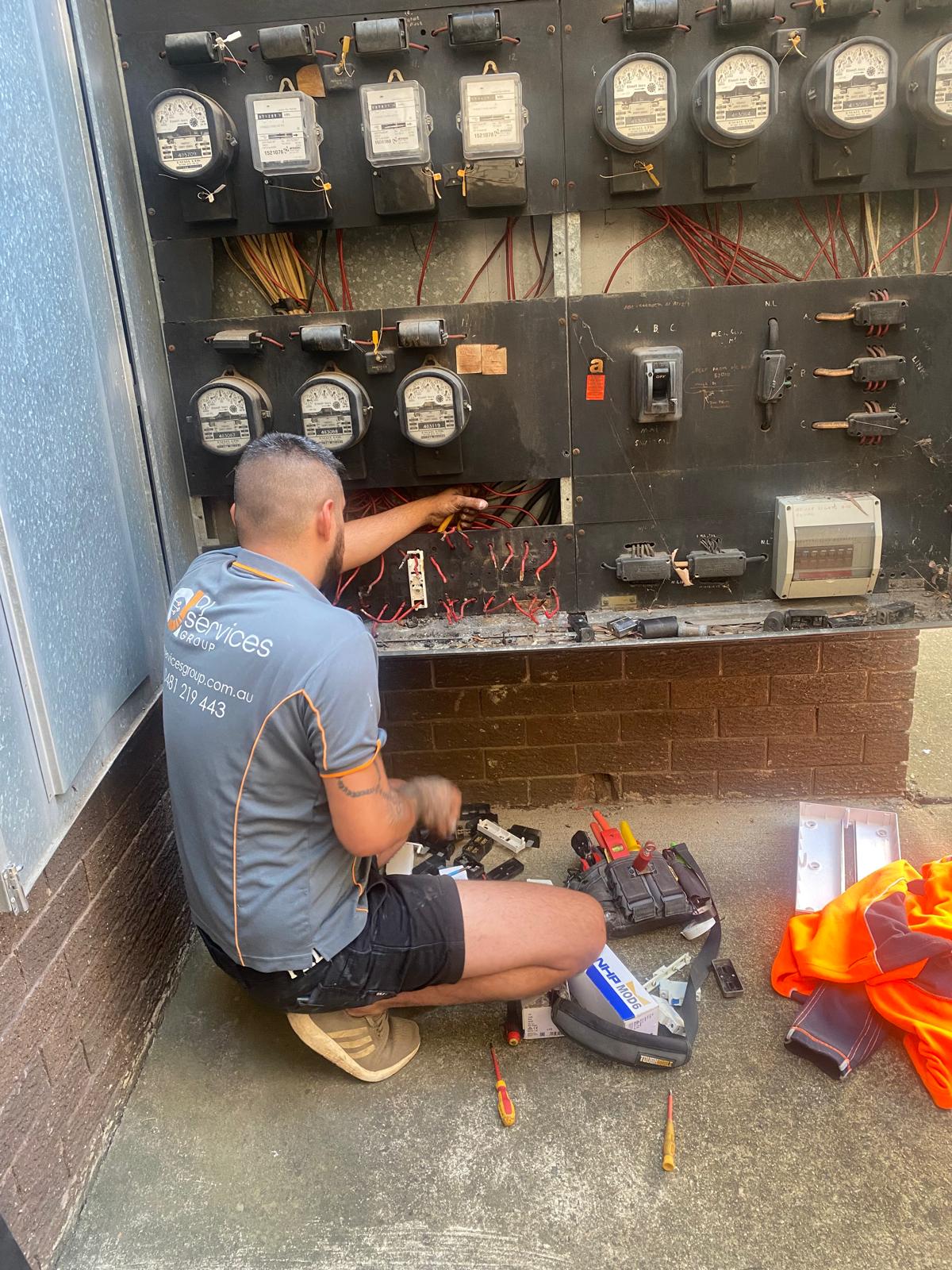
One of the most common cost surprises is a required switchboard upgrade. If the existing board does not support your new load requirements, upgrading it can add $3,000 to $12,000 to the project.
Identify What Drives Up the Cost of Electrical Fitouts
Understanding the cost drivers helps you plan your budget more accurately and avoid unexpected variations during the project. Some of the biggest factors include:
- Existing infrastructure condition: Older Sydney buildings with outdated wiring or asbestos-containing materials add complexity and cost. Buildings built before the 1980s often need significant remediation work.
- Three-phase power requirements: Hospitality venues, medical fit-outs, and any space with heavy equipment often need three-phase supply. Upgrading from single-phase to three-phase involves coordination with Ausgrid or Endeavour Energy and can take several weeks.
- Data and communications cabling: Cat6A cabling, structured cabling systems, and server room fit-outs are increasingly standard in Sydney commercial spaces and add to the electrical scope.
- LED lighting design: High-quality LED troffer or track lighting systems cost more upfront but reduce ongoing energy costs significantly. Many Sydney tenants now specify DALI-controlled or sensor-activated lighting.
- Emergency lighting compliance: AS 2293 requires emergency luminaires, exit signs, and regular testing logs. The number of fittings required depends on floor area and occupancy classification.
- Strata and building management requirements: Many Sydney CBD and inner-city buildings have strict requirements about after-hours access, noise, and approved materials that affect how and when work can be done.
Explore Sydney-Specific Rules and Approvals for Commercial Fitouts
Electrical work in NSW is regulated by Fair Trading NSW. Every licensed electrical contractor must hold a valid Electrical Contractor Licence (ECL) and all work must be performed by or supervised by a licensed electrician holding a relevant licence class.
In Sydney, your network distributor matters. If your premises falls under the Ausgrid network, any new connections or upgrades to your supply must be coordinated through Ausgrid’s application process. Premises in western or south-western Sydney may fall under the Endeavour Energy network instead.
For commercial tenancies, a Development Application (DA) or a Complying Development Certificate (CDC) may be required from your local council before construction begins, depending on the extent of the works. Your electrician does not handle this, but the electrical plans may need to form part of the DA documentation.
Fire safety is also a consideration. In NSW, new commercial fitouts must satisfy the Building Code of Australia (BCA) requirements for emergency lighting, exit signs, and sometimes automatic fire detection systems that tie into the electrical installation.
AJ Services Group works regularly with Sydney’s strata managers and building owners to ensure projects meet all relevant approvals before work starts, which prevents costly stop-work orders.
Compare the Main Components Installed During a Commercial Fitout
The table below outlines the main electrical components typically installed during a commercial fitout in Sydney and what each one does.
| Component | Purpose | Standard or Requirement |
|---|---|---|
| Switchboard | Distributes power across all circuits, houses circuit breakers and RCDs | AS/NZS 3000, AS 61439 |
| RCDs (Safety switches) | Protects against electric shock by detecting earth leakage | Mandatory for all circuits in commercial spaces |
| General power outlets (GPOs) | Provides power for workstations, equipment, and appliances | AS/NZS 3000, positioned per layout plan |
| LED lighting | Provides task and ambient lighting throughout the space | NCC Section J energy efficiency requirements |
| Emergency lighting | Illuminates exit paths during a power failure | AS 2293.1 |
| Exit signs | Guides occupants to exits during an emergency | AS 2293.1, BCA requirements |
| Data and communications cabling | Supports internet, phone, and AV systems | AS/NZS 3080 structured cabling standard |
| Smoke detectors or alarms | Early fire detection, often integrated with electrical system | BCA, AS 3786 |
FAQs on Electrical Fitouts for Commercial Spaces
How long does a commercial electrical fitout take in Sydney?
Most small to mid-size commercial electrical fitouts in Sydney take between one and four weeks. Larger spaces or those requiring switchboard upgrades and network distributor approvals can take six to eight weeks. Delays often come from waiting on Ausgrid or Endeavour Energy for connection approvals.
Do I need council approval for an electrical fitout?
Not always, but it depends on the scope of work. A change of use or significant structural alteration often requires a DA or CDC from your local Sydney council. Your builder or project manager typically handles this, but the electrical plans may need to be included in the application.
Can the existing switchboard handle a new commercial tenancy?
It depends on the age of the building and the load requirements of your new tenancy. Many older Sydney buildings have switchboards that are undersized for modern commercial demands. Your electrician should assess the board’s capacity during the quoting stage and recommend an upgrade if needed.
What is a CCEW and do I need one?
A Certificate of Compliance for Electrical Work (CCEW) is a legal document issued by a licensed electrician that certifies all electrical work meets Australian Standards. It is mandatory for any electrical work in NSW above a minor maintenance level and must be submitted to your network distributor.
What is the difference between a fitout electrician and a maintenance electrician?
A fitout electrician specialises in new installations, switchboard design, and infrastructure builds for commercial spaces. A maintenance electrician handles ongoing repairs and fault-finding. For a new commercial space, you want an electrical contractor with experience in fitout projects and familiarity with the approval process in Sydney.
How do I choose the right electrical contractor for my fitout?
Check that the contractor holds a valid NSW Electrical Contractor Licence, carries appropriate public liability insurance, and has proven experience with commercial fitouts. Ask for references from similar projects and make sure they provide a detailed scope of works with their quote, not just a lump sum figure.
Wrap Up and Next Steps
Commercial electrical fitouts involve more than running a few cables. They require careful planning, licensed installation, compliance with Australian Standards, and coordination with your network distributor and other trades.
Getting the electrical scope right from the start saves you time and money and prevents issues during inspections or handover. AJ Services Group has completed commercial electrical fitouts across Sydney for offices, retail spaces, cafes, and medical practices.
Call AJ Services Group today to request a detailed quote for your commercial fitout, or reach out through our website to schedule a site assessment at a time that suits your project timeline.