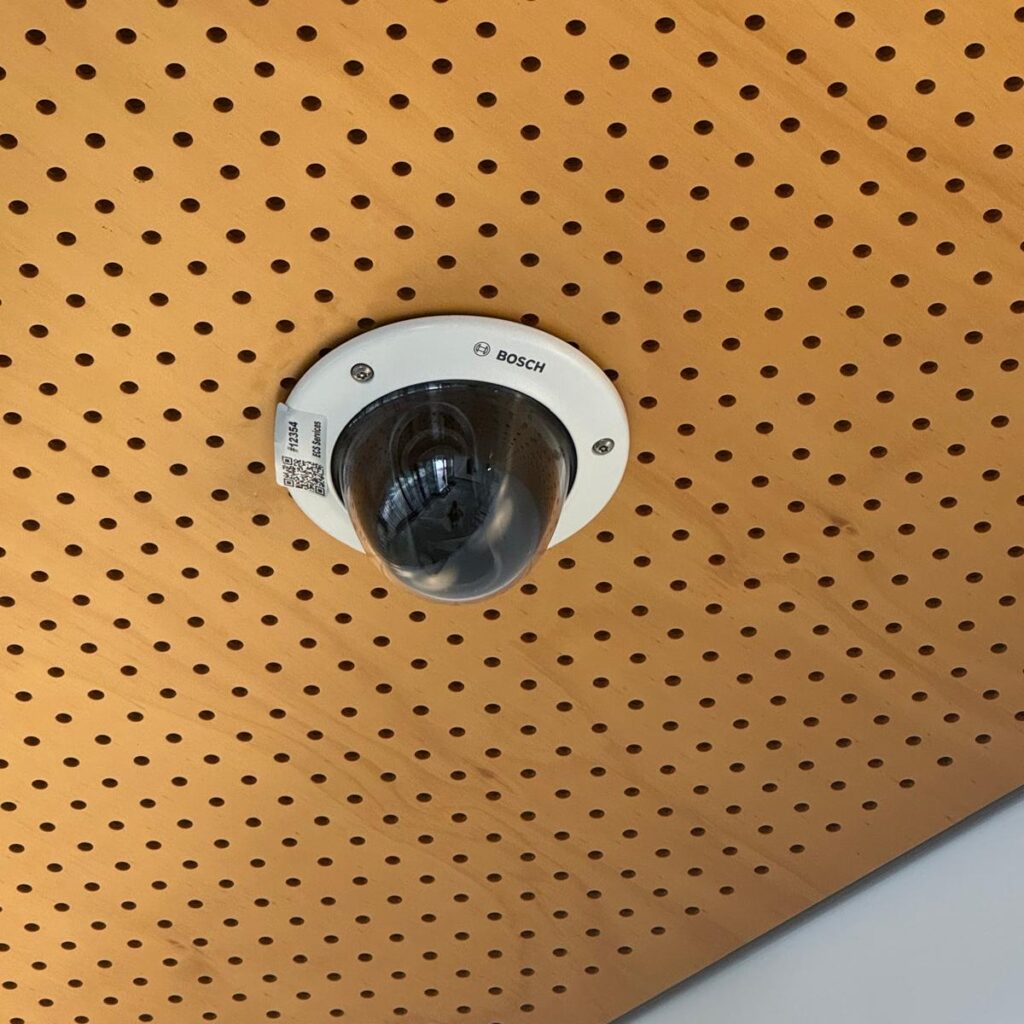
In NSW, smoke alarms are the legal standard for residential properties, but heat alarms fill a critical gap in kitchens and garages where cooking fumes cause constant false triggers. This article covers how each device works, where each one belongs, what NSW law requires, and how AJ Services Group helps Sydney homeowners get it right the first time.
Understand How Smoke Alarms and Heat Alarms Work
Smoke alarms detect tiny airborne particles produced by combustion. When smoke enters the detection chamber, the alarm sounds. They react quickly to smouldering fires, making them ideal for bedrooms, hallways, and living areas.
Heat alarms work differently. They monitor air temperature and trigger when the room reaches a set threshold, typically around 58 degrees Celsius for a fixed-temperature model. They do not detect smoke at all.
Because heat alarms only respond to temperature, they are slower to alert you in a smouldering fire scenario. However, they are far more reliable in spaces where steam, dust, or cooking fumes would cause a smoke alarm to false-trigger repeatedly.
Understanding this distinction is the starting point for deciding what your home actually needs. The two devices are not interchangeable, and using the wrong type in the wrong location creates either a safety gap or constant nuisance alarms.
Compare Smoke Alarms and Heat Alarms Side by Side
Here is a direct comparison of the two device types across the factors that matter most for NSW homeowners.
| Feature | Smoke Alarm | Heat Alarm |
|---|---|---|
| Detection method | Airborne smoke particles | Air temperature rise |
| Response speed | Fast (smouldering fires) | Slower (requires heat buildup) |
| False alarm risk | High in kitchens and garages | Very low |
| Best locations | Bedrooms, hallways, living rooms | Kitchens, garages, laundries |
| NSW legal requirement | Yes, mandatory in all homes | No, supplementary use only |
| Australian Standard | AS 3786 | AS 1603.5 |
| Typical cost (unit only) | $20 to $80 | $30 to $90 |
The table makes clear that smoke alarms carry the legal weight in NSW. Heat alarms are a smart addition, not a replacement.
Know What NSW Law Actually Requires
The NSW Environmental Planning and Assessment Act and the associated regulations set the rules. Under current NSW legislation, every residential dwelling must have working smoke alarms installed on every level of the home.
Specifically, NSW requires photoelectric smoke alarms that comply with Australian Standard AS 3786. Ionisation-type smoke alarms are being phased out in favour of photoelectric models, which are better at detecting slow smouldering fires common in home environments.
NSW has a staged rollout for upgrades. New dwellings and those undergoing major renovations must already comply with the stricter interconnected, hardwired requirements. Existing owner-occupied homes have a later compliance deadline, but all homes must meet the standard eventually.
Heat alarms are not mentioned as a substitute in NSW legislation. They can sit alongside a compliant smoke alarm network, but they cannot replace a single required smoke alarm position. If your installer suggests swapping a bedroom smoke alarm for a heat alarm, that is not compliant advice.
AJ Services Group stays current with NSW compliance dates and can tell you exactly where your property stands right now.
Identify Where Each Alarm Type Belongs in Your Home
Placement is the most practical question for most Sydney homeowners. Here is a room-by-room guide based on Australian standards and real-world performance.
- Bedrooms: Smoke alarm required. This is non-negotiable under NSW law. Photoelectric models are mandatory.
- Hallways and corridors: Smoke alarm required. These are escape route areas and must be covered.
- Living rooms and lounge areas: Smoke alarm strongly recommended and required on each level.
- Kitchen: Heat alarm recommended. Cooking fumes and steam cause frequent false alerts with smoke alarms. A heat alarm paired with a range hood is a practical solution.
- Garage: Heat alarm recommended. Vehicle exhaust and dust make smoke alarms unreliable here.
- Laundry: Heat alarm or a smoke alarm with a hush feature, depending on how much steam your machines produce.
- Basement or utility room: Heat alarm is a common choice where dust and fumes are present.
Sydney homes with open-plan kitchen and living areas need careful consideration. The kitchen zone should use a heat alarm, but the adjacent living area still needs a compliant smoke alarm. Your electrician needs to plan the placement boundary carefully.
Review the Real Costs of Installation in Sydney
Pricing in Sydney depends on the number of alarms, the type of wiring required, and whether you are upgrading an existing system or starting from scratch. Here is a realistic cost breakdown for the Sydney market.
| Service | Estimated Cost (Sydney) |
|---|---|
| Single smoke alarm installation (hardwired) | $120 to $200 per unit |
| Single heat alarm installation (hardwired) | $130 to $210 per unit |
| Battery-only alarm installation (per unit) | $60 to $120 per unit |
| Full home interconnected system (3 to 5 alarms) | $600 to $1,400 |
| Compliance inspection and report | $150 to $300 |
| Replacement of non-compliant alarms | $80 to $150 per unit |
Hardwired interconnected systems cost more upfront but are required for many NSW properties. They are also far more reliable long-term than battery-only setups.
AJ Services Group provides fixed-price quotes before any work begins, so there are no surprise charges on your invoice.
Choose the Right Brands and Technology for NSW Homes
Not all alarms are equal. For NSW compliance, your smoke alarms must carry the AS 3786 mark. For heat alarms, look for AS 1603.5 certification. Both marks confirm the product has been tested to Australian standards.
Well-regarded brands available through licensed electricians in Sydney include:
- Clipsal: Widely used in Australian homes. Their photoelectric range is a popular choice for NSW compliance upgrades.
- Brooks: An Australian brand with a strong track record in both smoke and heat detection products.
- Ei Electronics: Popular for interconnected systems. The Ei series allows mixing of smoke and heat alarms on the same interconnect wire.
- Cavius: Compact design, good for tight ceiling spaces common in older Sydney terrace homes.
- Kidde: Broad range covering both alarm types, with options for combination CO and smoke detection.
If your home has older ionisation alarms, they need replacing regardless of which brand you choose next. NSW legislation has moved firmly toward photoelectric technology for smoke detection.
FAQs on Smoke Alarm vs Heat Alarm NSW
Can I use a heat alarm instead of a smoke alarm to meet NSW requirements?
No. NSW law requires smoke alarms in bedrooms, hallways, and on every level of the home. Heat alarms do not meet this legal requirement and cannot substitute for a mandatory smoke alarm position. They are a supplement, not a replacement.
Where should I put a heat alarm in my Sydney home?
Heat alarms work best in kitchens, garages, and laundries where cooking fumes, steam, or exhaust cause false triggers in smoke alarms. They are not intended for bedrooms or escape route areas. A licensed electrician can map out the right placement for your specific floor plan.
Do interconnected alarms need to include both smoke and heat alarms?
Yes, in many setups. Modern interconnected systems allow smoke alarms and heat alarms to be linked on the same circuit. When one triggers, all units sound together. This gives you full-home alert coverage while placing the right technology in each room type.
How old do smoke alarms have to be before I replace them in NSW?
Australian standards recommend replacing smoke alarms every 10 years. The manufacture date is stamped on the unit. Many Sydney homes still have alarms from the early 2000s that are well past their useful life and no longer meet current NSW photoelectric requirements.
Is it legal to install smoke alarms myself in NSW?
Battery-operated alarms can legally be installed by the homeowner. However, hardwired alarms must be installed by a licensed electrician under NSW electrical licensing rules. Incorrect wiring of a hardwired alarm is a safety risk and may void your home insurance.
What happens if my rental property in Sydney is not compliant with smoke alarm laws?
Landlords and property managers face significant penalties for non-compliance in NSW. Tenants can also report non-compliant properties. Beyond the legal risk, a missing or faulty smoke alarm puts lives at risk. AJ Services Group works with property managers across Sydney to keep rental portfolios compliant.
Wrap Up and Next Steps
The core answer is straightforward. Smoke alarms are legally required in NSW homes and must meet the photoelectric standard. Heat alarms are a smart, practical addition for kitchens, garages, and other high-nuisance areas, but they do not replace a single mandatory smoke alarm position.
Getting the placement, the technology, and the wiring right is not a DIY guessing game. A licensed electrician who knows NSW requirements will save you from compliance headaches and genuine safety gaps.
Contact AJ Services Group today to book a smoke alarm compliance inspection or installation in Sydney. Call us or request a quote online and we will get your property fully covered.