Commercial roller doors are built to handle heavy use, but even the toughest doors show signs of wear over time. Small problems, such as unusual noises or stiff movement, can turn into safety hazards, costly repairs, or unexpected downtime if left unchecked. By spotting early signs your commercial roller door needs repair, you can safeguard your facility, protect staff, and avoid unexpected downtime.
In this guide, we’ll cover the top signs that your commercial roller door needs repair. You will learn what to watch for so you can address problems early and keep your business running smoothly.
1. Unusual Noises from Your Roller Door
If your door is making grinding, squeaking, or rattling noises, it is usually a warning sign. Different types of roller doors, whether manual, automated, or insulated, have unique mechanisms. A minor sound on one type could signal a more serious issue on another. These noises often indicate wear in the rollers, tracks, or motor, and should not be ignored.
Watch for:
- Grinding or scraping noises when opening or closing
- Squeaks or rattles that weren’t there before
- Sounds coming from the motor or track
Ignoring unusual noises can lead to larger and more expensive problems later. A professional inspection can catch issues early.
2. Door Moves Slowly or Sticks
A door that doesn’t open or close smoothly is often a sign of wear. Track misalignment, worn springs, or motor strain can slow operation. Sometimes doors stick because they do not match standard roller door widths for the opening. Slow or jerky movement can also indicate uneven tension or a need for lubrication.
Watch for:
- Door hesitating or slowing partway
- Resistance when manually opening or closing
- Jerky or uneven movement
Frequent sticking indicates the door may need professional adjustment or repair.
3. Door Doesn’t Stay Up or Down Properly
A door that falls unexpectedly or fails to fully close is a serious concern. This can be caused by worn springs, motor faults, or damaged tracks. Such problems make the door unsafe to operate and can increase the risk of injury or property damage.
Watch for:
- Door dropping suddenly when opened
- Door refusing to fully close
- Uneven or unsafe movement
Prompt repair is important to prevent accidents and protect property.
4. Visible Damage to Slats or Curtain
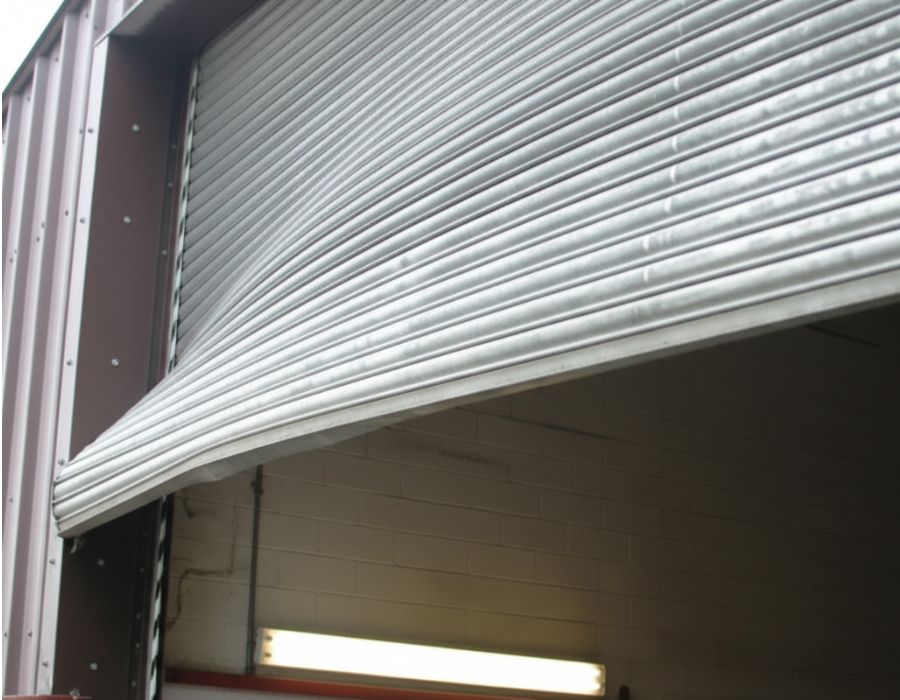
Bent, dented, cracked, or rusted slats can affect door performance. Even minor gaps or misalignment can reduce security. Physical damage also puts additional strain on the mechanism, potentially accelerating wear on other parts. If the damage is extensive, it may be worth considering a replacement, as the cost of a new roller door installation can be worth it for improved reliability and long-term savings.
Watch for:
- Dented or bent slats
- Cracks or rust along the curtain
- Gaps between slats or misalignment
Damage like this can compromise both security and operation if left unaddressed.
5. Problems with Automation or Controls
Automated doors rely on motors, sensors, and control systems. If your door does not respond to remotes, keypads, or wall switches, it may indicate a fault. Control issues can worsen over time and may also affect safety sensors, causing unexpected reversals.
Watch for:
- Inconsistent response from automation
- Door reversing unexpectedly
- Motor or sensor making unusual sounds
Malfunctioning automation can be dangerous and should be inspected by a professional.
6. Manual Override Isn’t Working
Manual overrides allow a door to operate during a power outage. If it doesn’t work properly, doors can get stuck in manual mode or become hard to operate. A faulty override may also indicate issues with the spring or drive system that need attention.
Watch for:
- Door stuck in manual operation
- Difficulty engaging or disengaging the manual system
- Manual operation feels heavy or uneven
A functioning manual override is essential for safety and emergency access.
7. Increased Frequency of Minor Repairs
If you notice small fixes happening more often than usual, this can signal a larger mechanical problem. Frequent minor repairs usually indicate that wear is building, and the door could fail unexpectedly if left unaddressed.
Watch for:
- Repeating fixes for the same issue
- Components needing adjustment more often
- Rising service costs over time
Early assessment by a technician can prevent a major breakdown.
8. Environmental and Usage Factors That Contribute to Wear
High traffic, heavy daily use, and exposure to weather accelerate wear. Dust, moisture, and coastal conditions can affect rollers, springs, and motors. Understanding these factors helps explain why some doors fail sooner than others.
Watch for:
- Rust on metal components
- Dirt or debris in tracks
- Faster wear in high-traffic areas
Being aware of these factors can help you schedule preventative maintenance.
What to Do When You Notice These Signs
When your roller door starts acting up, you may be tempted to handle the fix on your own. While minor adjustments like oiling the track or tightening a bolt might be fine for a quick tune-up, complicated jobs often demand experienced specialists. Commercial doors contain powered motors, tensioned springs, and electronic components that can be hazardous to tinker with.
The safest step is to contact a licensed technician for a thorough inspection. Commercial roller door repairs from AJ Services Group ensure faults are identified and corrected in accordance with Australian safety standards. Acting early can save you money, reduce downtime, and keep your property secure and operational.
What Are The Benefits of Timely Repair
Your commercial roller door isn’t just an entry point; it represents a vital piece of equipment that impacts security, workflow, and general safety every day. Fixing problems early offers considerable advantages:
- Less downtime: A fully functioning door allows deliveries and daily operations to proceed without costly disruptions.
- Lower costs: Repairing a small fault is often far cheaper than replacing an entire assembly if the damage spreads.
- Extended door lifespan: Well-maintained doors last longer, delivering a better return on your initial investment.
- Improved safety: Ensuring sensors and auto-reverse mechanisms work properly safeguards employees, customers, and visitors.
- Compliance peace of mind: Regular service logs can help you meet insurance and regulatory obligations.
Frequently Asked Questions
1. How often should I have my commercial roller door serviced?
Most experts recommend a professional service at least once or twice a year. High-traffic sites may need more frequent checks, especially if you operate in environments prone to dust, corrosion, or heavy usage.
2. Can I fix minor repairs myself?
Simple tasks like lubricating the track or tightening loose bolts might be safe to handle. However, for jobs involving tension springs, motor components, or electrical sensors, it’s wisest to call a trained professional. Incorrect handling can pose serious safety risks and void certain warranties.
3. What’s the biggest advantage of preventative maintenance?
Preventative checks help you identify and resolve minor problems before they become major ones. This reduces the likelihood of emergency breakdowns, safeguards employee safety, and extends the door’s operational life.
4. How do I know if my door meets current standards?
NSW safety regulations often mandate that commercial doors have functional auto-reverse systems and regularly inspected hardware. If you’re unsure, consult a qualified repair or inspection service. They’ll confirm whether your door is compliant and, if not, what upgrades might be needed.
5. How much does it typically cost to repair a commercial roller door?
Repair costs vary depending on the issue. Minor repairs, like track adjustments or lubrication, usually range from $100–$500, while major motor replacements or structural repairs can cost $300–$600 or more. Scheduling regular maintenance can help keep costs predictable.
Get Accurate Industrial Roller Door Repair Cost in Sydney
Avoid unexpected downtime and costly repairs, and let AJ Services Group handle your commercial roller door inspections and repairs efficiently and reliably.
Call 1300 871 836 or email service@ajservicesgroup.com.au today for a free quote and expert service.