An electrical safety inspection in NSW typically takes 1 to 3 hours and checks your switchboard, wiring, power points, safety switches, and earthing against AS/NZS 3000 standards. Preparing your home beforehand can help the inspection run smoothly and reduce the chance of a failed result. This guide covers every practical step Sydney homeowners should take before the inspector arrives, from clearing access points to testing your safety switches yourself.
Understand what an electrical safety inspection in NSW covers
Knowing what inspectors look at helps you prepare the right areas of your home. In NSW, licensed electrical inspectors follow AS/NZS 3000 wiring rules and Fair Trading NSW guidelines when assessing residential properties.
Inspectors will check these core areas during a standard visit:
- Switchboard condition, labelling, and age of circuit breakers
- Presence and functionality of residual current devices (RCDs) or safety switches
- Earthing and bonding of metal pipes, gas lines, and appliances
- Visible wiring condition in roof spaces, under floors, and in wall cavities
- Power points, light switches, and outlet covers for damage or overheating
- Smoke alarm placement and connection (hardwired or battery)
- Any DIY wiring work that may not meet code
Older Sydney homes, especially those built before 1990 in suburbs like Parramatta, Balmain, or Leichhardt, often have outdated wiring such as rubber-sheathed cable or ceramic fuses. These are common failure points inspectors flag immediately.
Check your switchboard before the inspector arrives
Your switchboard is the first thing most inspectors examine closely. A poorly labelled or outdated switchboard can slow the inspection and may indicate larger issues inside your walls.
Here is what to check and address yourself before the inspection date:
- Label every circuit breaker clearly so the inspector can identify which breaker controls which area
- Check that the switchboard door closes fully and latches properly
- Look for signs of heat damage, burn marks, or rust on breakers or bus bars
- Confirm you have at least two RCD safety switches installed, as required under NSW regulations for new and upgraded switchboards
- Remove any items stored directly in front of or on top of the switchboard panel
If your home still has a ceramic fuse box rather than modern circuit breakers, talk to a licensed electrician before your inspection. AJ Services Group regularly upgrades switchboards for Sydney homeowners ahead of scheduled inspections, which prevents automatic failure notices.
Test your safety switches and power points
NSW regulations require RCD safety switches on all power point and lighting circuits in residential properties. Testing them before the inspection shows the inspector they are operational and saves time during the visit.
To test an RCD safety switch, press the test button on the device in your switchboard. The switch should trip immediately. Reset it and repeat the process for every RCD installed. If a switch does not trip, it has failed and needs replacement before your inspection.
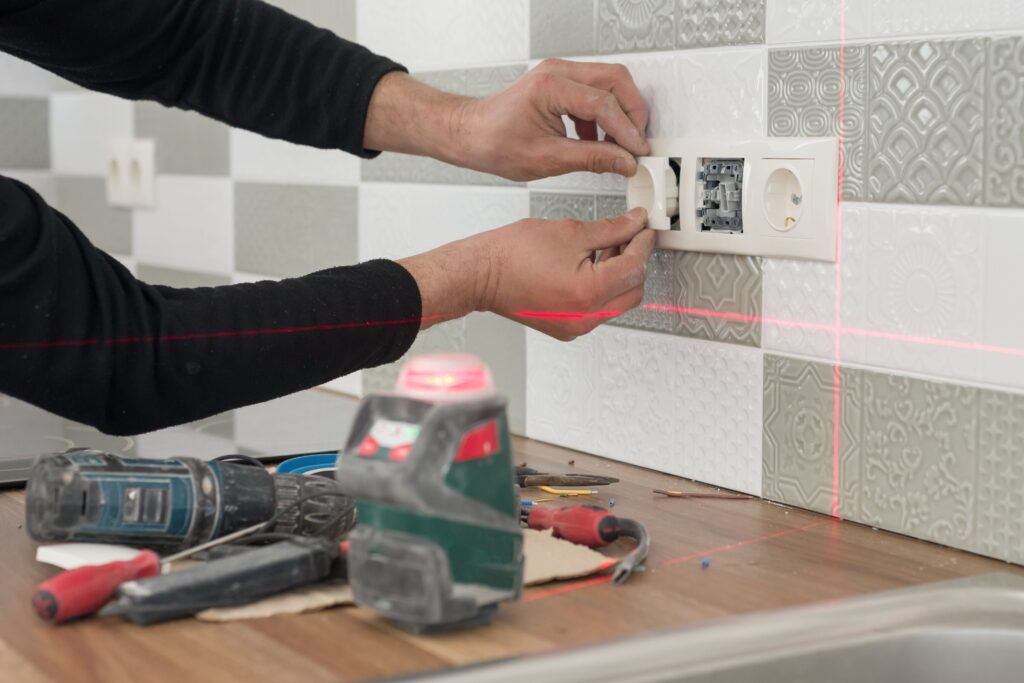
For power points, plug a simple lamp or phone charger into every outlet throughout the house. Note any outlets that do not deliver power. These could indicate a tripped circuit, a faulty outlet, or damaged wiring behind the wall.
GFCI-style protection is required in wet areas under Australian standards. Check bathrooms, kitchens, laundries, and outdoor outlets specifically. Any outlet near water that lacks RCD protection is a likely failure point during an electrical safety inspection in NSW.
Compare common reasons homes fail an electrical safety inspection in NSW
Understanding common failure reasons helps you fix problems before the inspector finds them. The table below outlines the most frequent issues found in Sydney homes during inspections, typical repair costs, and urgency level.
| Issue Found | Typical Repair Cost (AUD) | Urgency |
|---|---|---|
| Missing or failed RCD safety switches | $150 to $400 per switch | High, required by NSW law |
| Outdated ceramic fuse box | $800 to $2,000 for full upgrade | High, flagged immediately |
| Unlabelled or mislabelled circuits | $50 to $150 for labelling | Medium, delays inspection |
| Damaged or exposed wiring | $200 to $1,500 depending on extent | High, safety hazard |
| DIY wiring not to code | $300 to $2,500 to rectify | High, illegal in NSW |
| Faulty or non-compliant power points | $80 to $200 per outlet | Medium to high |
| Insufficient earthing | $300 to $900 | High, shock risk |
DIY electrical work is illegal in NSW without a licence. If previous owners or tenants have done unlicensed wiring, you are responsible for rectifying it before or after the inspection. AJ Services Group can identify and legally correct non-compliant DIY work before the inspector visits.
Clear access to key areas in your home
Inspectors need physical access to your switchboard, roof cavity, subfloor, and all rooms. Blocked access can result in an incomplete inspection, which counts as a failed or deferred outcome.
At least 48 hours before the inspection, do the following:
- Clear at least one metre of space in front of your switchboard panel
- Ensure the manhole or roof hatch is accessible and free of stored items
- Open any locked subfloor or crawlspace access panels
- Move furniture away from walls where outlets and switches are located
- Ensure all rooms, including garages and outdoor sheds with power, are unlocked and accessible
- Remove items blocking the meter box on the exterior of the property
Sydney homes with granny flats or secondary dwellings need to have both structures accessible. Inspectors check each separately if both are on the same title and share the electrical connection.
Review smoke alarm compliance under NSW regulations
Smoke alarm requirements in NSW are part of the electrical safety framework inspectors assess. The rules changed significantly under the Environmental Planning and Assessment Amendment (Fire Safety) Regulation.
| Property Type | NSW Smoke Alarm Requirement | Deadline |
|---|---|---|
| New homes and major renovations | Hardwired interconnected smoke alarms | Applies at time of construction or renovation approval |
| Existing homes being sold | Photoelectric alarms in all bedrooms and hallways | At time of sale contract |
| Rental properties | Working smoke alarms, landlord must maintain | Ongoing requirement |
| All existing residential homes | At least one working smoke alarm per level | Minimum ongoing requirement |
Test every smoke alarm in your home before the inspection date. Replace any alarm that is older than 10 years, as the sensor degrades over time. Hardwired alarms require a licensed electrician to install or replace, so plan this ahead of your scheduled inspection date.
AJ Services Group installs hardwired and interconnected smoke alarms across Sydney, including in older homes where new cabling is needed to meet current NSW requirements.
Gather documentation and prepare questions for the inspector
Having the right paperwork ready speeds up the inspection and shows the inspector you are organised. It also protects you legally if questions arise about previous electrical work done on the property.
Collect these documents before inspection day:
- Certificates of compliance for any electrical work completed in the last 10 years
- Certificates of compliance for solar panel or EV charger installations
- Any previous inspection reports or defect notices from Fair Trading NSW
- Invoices or receipts from licensed electricians for recent repairs
- Manufacturer details for any HVAC or appliance wiring done by a tradesperson
In NSW, any licensed electrical contractor must provide you with a Certificate of Compliance Electrical Work (CCEW) after completing work. If you do not have these for recent work, contact the electrician who performed the job and request a copy before your inspection date.
Write down any questions or known issues you want the inspector to address during the visit. This includes flickering lights, tripping circuits, or outlets that feel warm to the touch. These observations help the inspector focus on problem areas quickly.
FAQs on electrical safety inspection NSW
How often should I get an electrical safety inspection in NSW?
There is no single legal requirement for inspection frequency in NSW for owner-occupied homes. Most electricians recommend every 5 years for homes older than 25 years. Rental properties should be inspected before each new tenancy where possible.
How much does an electrical safety inspection in NSW cost?
A standard residential electrical safety inspection in Sydney typically costs between $150 and $400, depending on the size of the home and the scope of the check. Larger homes with granny flats or solar systems may cost more. Always request a fixed-price quote before booking.
Can I fail an electrical safety inspection in NSW?
Yes. If the inspector finds serious defects such as missing RCDs, exposed wiring, or non-compliant DIY work, they will issue a defect notice. You are then required to have a licensed electrician fix the issues before the property can be certified as compliant.
Who can perform an electrical safety inspection in NSW?
Only a licensed electrical contractor or inspector registered with Fair Trading NSW can perform a formal electrical safety inspection. Always verify the inspector’s licence number on the Fair Trading NSW public register before engaging them.
Do I need an electrical inspection before selling my home in NSW?
There is no mandatory pre-sale electrical inspection requirement in NSW, but it is strongly recommended. Buyers increasingly request inspection reports, and undisclosed defects can create legal liability after settlement. An inspection also helps you price the property accurately.
What happens if my home has outdated wiring during an electrical safety inspection in NSW?
The inspector will note the outdated wiring in their report and may issue a defect notice if it poses a safety risk. Rubber-sheathed or aluminium wiring is common in older Sydney homes and usually requires partial or full rewiring by a licensed electrician to bring it up to current standards.
Wrap up and next steps
Preparing for an electrical safety inspection in NSW is straightforward when you know what inspectors look for. Test your safety switches, clear access to your switchboard and roof space, check smoke alarm compliance, and gather your certificates of compliance before the inspector arrives.
AJ Services Group helps Sydney homeowners get inspection-ready with pre-inspection checks, switchboard upgrades, RCD installations, and smoke alarm compliance work. Contact AJ Services Group today to schedule your pre-inspection service or book a licensed electrical safety inspection for your Sydney property.