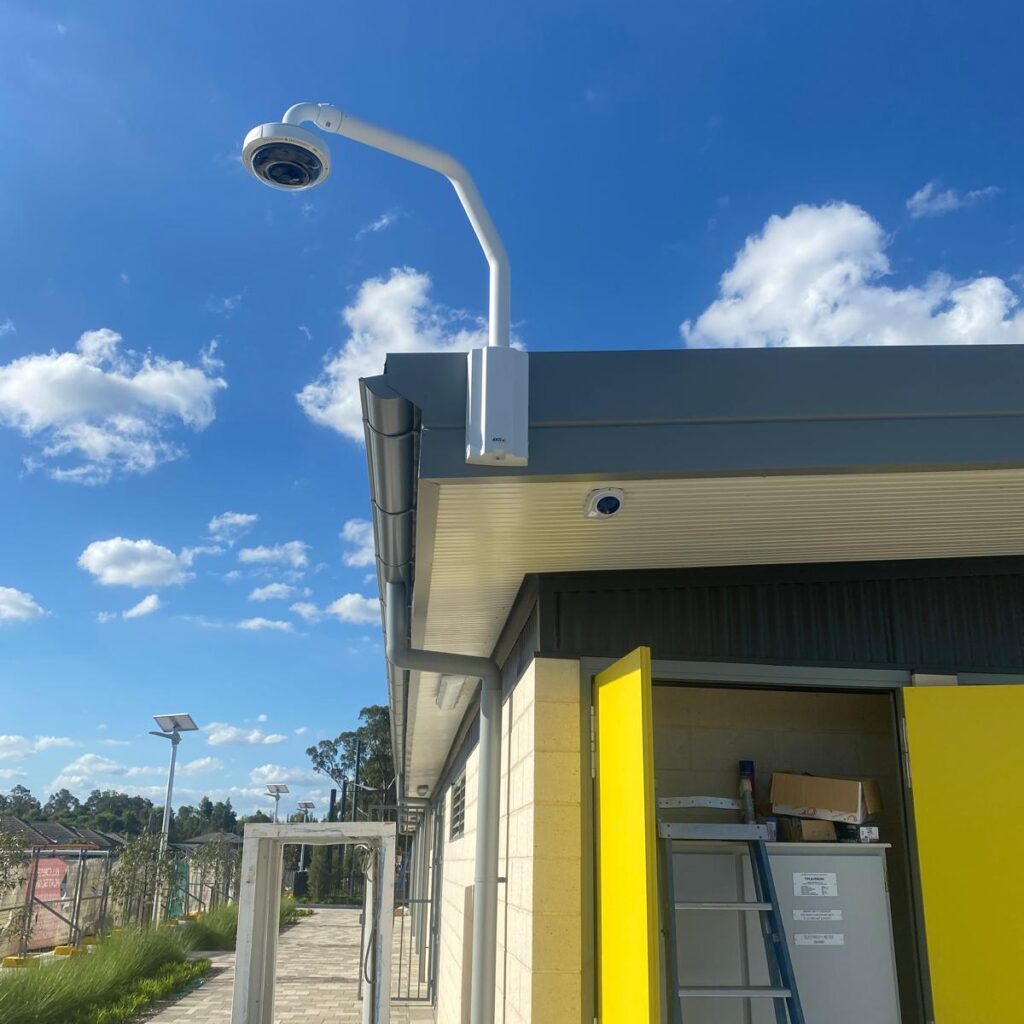
A security camera is a single device that records or streams video, while a CCTV system is a closed-circuit network of multiple cameras connected to a central recording unit or monitor. The core difference is scale and connectivity. This article covers how each system works, typical costs in Sydney, Australia, and how to decide which option fits your home or business.
Understand What Each System Actually Does
The term “security camera” refers to an individual camera unit. It can be wired or wireless, indoor or outdoor, and may connect to your phone via an app or to a local recorder.
A CCTV system is a network. CCTV stands for Closed Circuit Television. The footage travels through a closed loop, meaning it stays within a private network rather than broadcasting openly.
CCTV systems typically include multiple cameras, coaxial or IP cables, a digital video recorder (DVR) or network video recorder (NVR), and a dedicated monitor for live viewing and playback.
A standalone security camera, by contrast, may work on its own with cloud storage and a mobile app. Many Sydney homeowners start with one or two of these before upgrading to a full CCTV system.
Compare Security Camera vs CCTV System Features
Choosing between a security camera and a CCTV system often comes down to coverage area, storage needs, and budget. Here is a direct comparison of the two options.
| Feature | Security Camera | CCTV System |
|---|---|---|
| Number of units | Usually 1 to 2 | 4 to 32 or more |
| Connection type | WiFi or single cable run | Coaxial cable or IP network |
| Storage | Cloud or local SD card | DVR or NVR with hard drive |
| Remote viewing | Yes, via mobile app | Yes, with IP-based NVR systems |
| Image quality | 1080p to 4K | 1080p to 4K depending on model |
| Subscription cost | Often required for cloud | Rarely required |
| Installation complexity | Low to medium | Medium to high |
| Best for | Apartments, small homes | Large homes, commercial sites |
CCTV systems generally offer more reliable long-term storage because footage is saved locally on a hard drive. Cloud-based security cameras can incur ongoing monthly fees from brands like Ring, Arlo, or Nest.
Explore the Types of Security Cameras Available in Sydney
Sydney properties vary widely, from inner-city apartments in Surry Hills to large commercial warehouses in Blacktown. The right camera type depends on your environment and coverage needs.
- Bullet cameras: Long, cylindrical shape. Great for monitoring driveways and entry points. Common in residential CCTV setups.
- Dome cameras: Ceiling-mounted and discreet. Popular in retail shops and office spaces across Sydney CBD.
- PTZ cameras: Pan, tilt, and zoom remotely. Used in large commercial properties and car parks.
- Turret cameras: A compact alternative to dome cameras with less glare. Suits both indoor and outdoor use.
- Wireless IP cameras: Connect via WiFi. Easy to install but may have signal issues in older Sydney brick homes.
- Fisheye cameras: 360-degree coverage from a single unit. Useful for open-plan retail or warehouse floors.
AJ Services Group installs all major camera types and can advise on the right model for your specific Sydney property layout and security goals.
Review Typical Costs for Security Camera vs CCTV Installation in Sydney
Costs vary based on the number of cameras, cable runs, type of recorder, and labour rates in Sydney. Here is a general price breakdown to help you budget.
| System Type | Camera Count | Estimated Cost (AUD) | Notes |
|---|---|---|---|
| Single security camera | 1 | $150 to $400 installed | WiFi, app-based, cloud storage extra |
| Small CCTV system | 4 cameras | $800 to $1,500 installed | DVR included, local storage |
| Medium CCTV system | 8 cameras | $1,500 to $3,000 installed | NVR, 2TB hard drive, remote access |
| Large CCTV system | 16 or more cameras | $3,000 to $8,000 installed | Commercial grade, full site coverage |
These are estimates for Sydney metro area installations. Prices can shift based on roof space access, concrete walls, and cable lengths required on your specific site.
Cloud subscription fees for standalone security cameras typically range from $5 to $20 AUD per month, per camera. Over three to five years, a CCTV system with local storage often works out cheaper overall.
Identify Which Option Suits Your Sydney Property
Not every property needs a full CCTV system. Knowing your situation helps you spend wisely rather than over-investing in hardware you do not need.
A standalone security camera or two is usually enough if you are:
- Renting an apartment and need a temporary solution
- Monitoring a single entry point like a front door or garage
- Looking for a quick DIY install with no cable runs
- Operating on a tight budget and covering a small area
A CCTV system makes more sense if you are:
- Securing a full house perimeter with multiple blind spots
- Running a business, retail shop, or warehouse in Sydney
- Dealing with repeated break-in attempts or vandalism
- Wanting footage stored locally without ongoing subscription fees
- Required to meet insurance or compliance conditions
AJ Services Group regularly assesses residential and commercial sites across Sydney to recommend the right system size. A proper site assessment avoids the common mistake of buying too few cameras or placing them in the wrong positions.
Understand Sydney Regulations and Privacy Rules for CCTV
Installing cameras in Sydney comes with legal obligations you need to know before you buy anything. Australia does not have a single national CCTV law, but several rules apply depending on your property type.
Key points to understand for Sydney properties:
- You cannot point cameras at a neighbour’s private areas such as bedrooms, bathrooms, or backyards. This may breach the Surveillance Devices Act 2007 (NSW).
- Businesses that record footage must comply with the Privacy Act 1988 if they have a turnover above $3 million or handle sensitive data.
- Body corporate rules in Sydney apartment buildings may restrict where and how you install cameras in common areas.
- Signage is recommended (and sometimes required) when CCTV is in use at commercial premises.
- Footage storage periods should be limited. Many businesses in NSW keep footage for 30 to 90 days before it is overwritten.
If you are unsure about compliance, speak with a licensed installer. AJ Services Group can help you position cameras correctly and avoid potential legal issues before installation begins.
FAQs on Security Camera vs CCTV
Is a security camera the same as a CCTV camera?
Not exactly. A CCTV camera is part of a closed-circuit network connected to a recorder or monitor. A security camera is a broader term that includes standalone WiFi cameras and smart home devices that may not form part of a closed circuit.
Which is better for a home in Sydney, a security camera or a CCTV system?
It depends on the size of your property. A single security camera suits an apartment or small unit. A CCTV system with four or more cameras is better for a full house or property with multiple entry points and outdoor areas to monitor.
Do I need an electrician to install CCTV in Sydney?
CCTV systems that use low-voltage cabling (like coaxial or Cat5e cables) can be installed by a licensed security technician. However, if the system connects directly to your mains power or switchboard, a licensed electrician is required under NSW electrical safety laws.
Can I access my CCTV footage remotely in Sydney?
Yes. Modern NVR-based CCTV systems support remote access via a mobile app or web browser. Your recorder connects to your home or business internet connection, letting you view live and recorded footage from anywhere.
How long does CCTV footage last before it gets recorded over?
Most CCTV systems overwrite footage based on storage capacity. A standard 2TB hard drive with eight cameras typically stores 14 to 30 days of footage depending on resolution and motion-triggered recording settings.
Are wireless security cameras reliable for outdoor use in Sydney?
Wireless cameras work well in many Sydney homes, but older brick construction can weaken WiFi signals. Outdoor areas far from your router may experience dropouts. A wired camera or a CCTV system with PoE (Power over Ethernet) cables is often more reliable for large outdoor areas.
Wrap up and next steps
The difference between a security camera and a CCTV system comes down to scale, storage, and coverage. A single camera suits small or low-risk spaces, while a CCTV system gives you full-site coverage with reliable local storage and no ongoing fees.
AJ Services Group helps Sydney homeowners and businesses choose, install, and configure the right camera setup for their property. Contact us today to book a free site assessment and get a clear quote for your security camera or CCTV installation.