Downlights generally suit modern living spaces and bedrooms, while batten lights are the practical, budget-friendly choice for garages, laundries, and utility areas. Both are popular across Sydney homes, but the right pick depends on your ceiling, your budget, and how the room is used. This article covers costs, brightness, installation requirements, and the best use cases for each fitting so you can make a confident decision.
Understand the core difference between downlights and batten lights
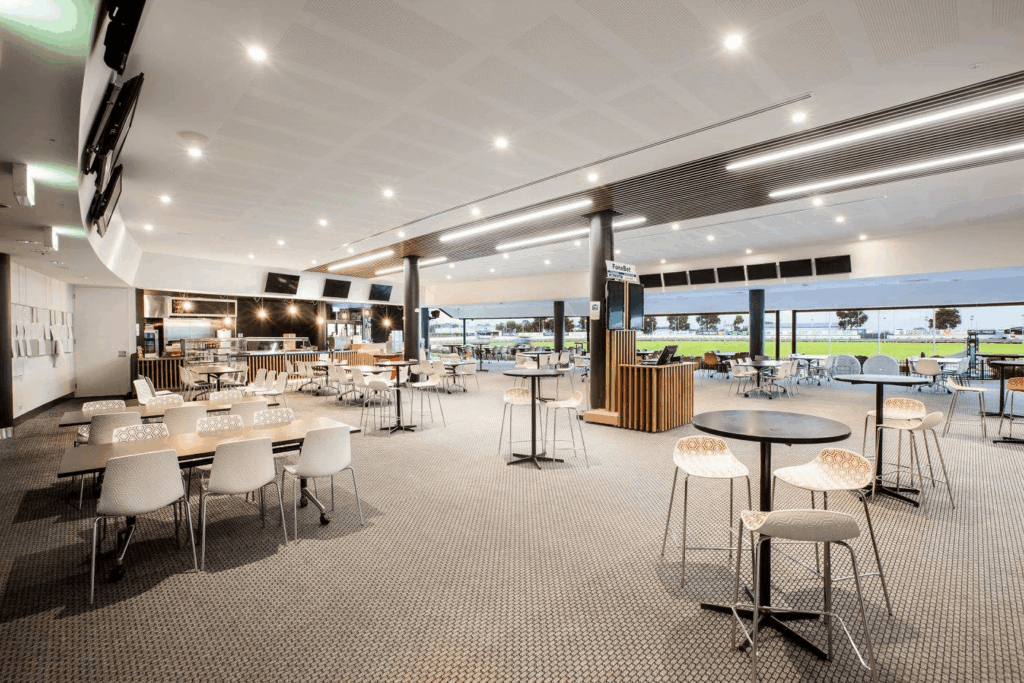
A downlight is a recessed or surface-mounted fitting that directs light downward in a focused beam. It sits flush with or slightly below the ceiling, giving rooms a clean, modern look. Most downlights used in Sydney homes today are LED and run at 5W to 15W per fitting.
A batten light is a long, strip-style fitting that mounts directly onto the ceiling surface. It spreads light broadly across a room and is one of the simplest fittings a licensed electrician can install. Batten lights range from basic fluorescent tubes to modern LED versions in 20W to 40W outputs.
The key difference is not just aesthetics. Downlights require cutting into the ceiling, which means more labour and more cost. Batten lights bolt onto any ceiling surface, including concrete, timber, and fibro, without any cutting at all.
Compare costs for downlight vs batten light installation in Sydney
Installation costs in Sydney vary depending on the number of fittings, ceiling type, and whether new wiring is needed. The table below gives you a realistic cost range for both fitting types based on current Sydney electrician rates.
| Fitting Type | Supply Cost (per unit) | Installation Cost (per unit) | Total Estimate (per unit) |
|---|---|---|---|
| LED Downlight | $15 to $60 | $80 to $150 | $95 to $210 |
| LED Batten Light | $25 to $90 | $60 to $100 | $85 to $190 |
| Downlight (full room, 6 fittings) | $90 to $360 | $480 to $900 | $570 to $1,260 |
| Batten Light (full room, 2 fittings) | $50 to $180 | $120 to $200 | $170 to $380 |
Batten lights are significantly cheaper per room because you need fewer fittings to achieve the same lumen output. A single 40W LED batten can replace four to six individual downlights in a standard bedroom or laundry.
Keep in mind that cutting into existing plasterboard ceilings in older Sydney homes can add $50 to $100 per hole if the ceiling needs patching or if insulation needs to be managed. The AJ Services Group team always checks ceiling conditions before quoting.
See which rooms suit downlights and which suit batten lights
Room function is the most practical guide for choosing between the two. Here is a breakdown of where each fitting type performs best in a typical Sydney home.
Downlights work best in:
- Living rooms and open-plan spaces where aesthetics matter
- Bedrooms where you want a low-profile, modern look
- Kitchens, especially over benchtops and islands for task lighting
- Bathrooms, using IP44-rated or higher fittings for wet area compliance
- Hallways and entries where ceiling height is standard (2.4m to 2.7m)
Batten lights work best in:
- Garages and workshops where bright, even light matters more than style
- Laundries and utility rooms with concrete or fibro ceilings
- Rental properties where low install cost and easy replacement are priorities
- Warehouses and large storage areas needing wide light spread
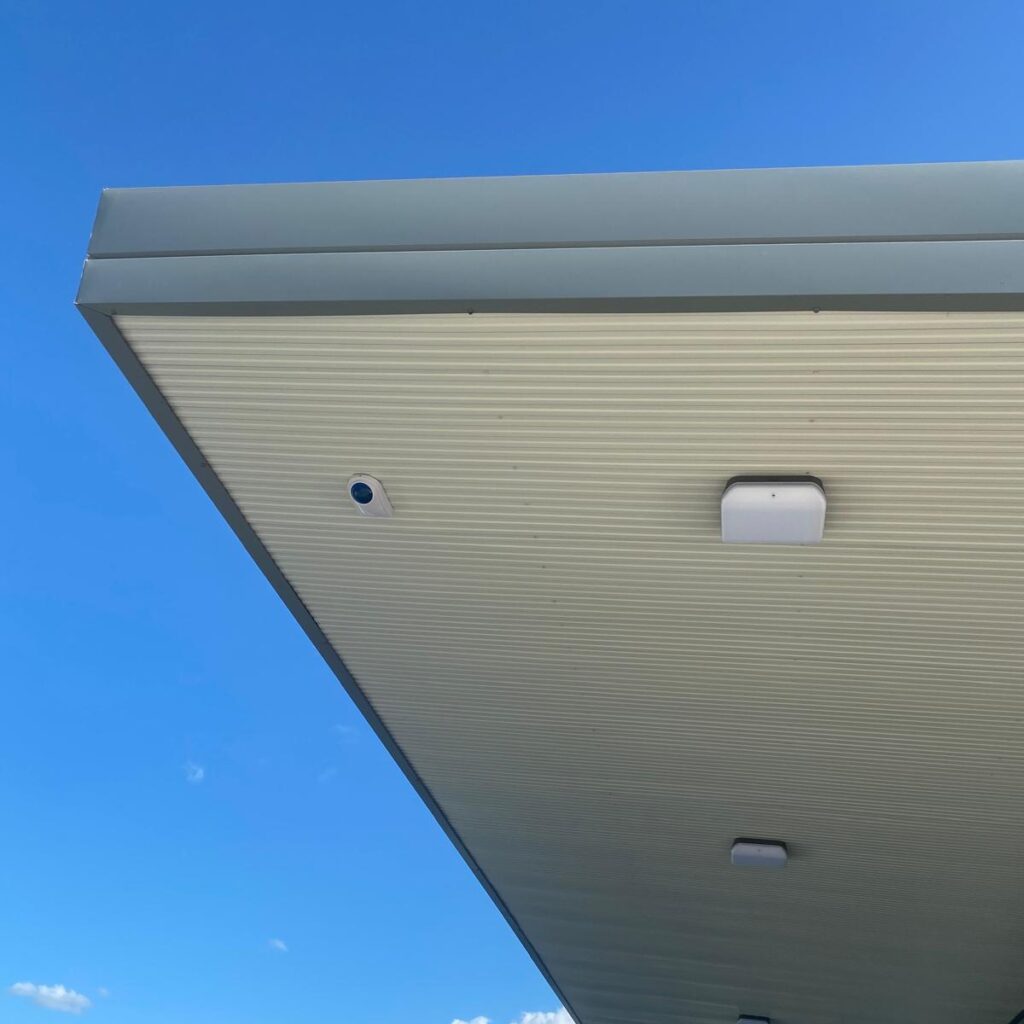
- Outdoor covered areas like carports and pergolas with surface-mount ceilings
Sydney rental properties in particular benefit from batten lights. They are easier for tenants to replace a globe, faster for electricians to service, and far cheaper to install across multiple rooms in an investment property.
Compare brightness and energy use between the two fitting types
Both downlights and batten lights are available in LED, which means energy use is now similar per lumen. The real difference is in how the light is distributed across a room.
| Feature | LED Downlight | LED Batten Light |
|---|---|---|
| Typical wattage per fitting | 5W to 15W | 20W to 40W |
| Lumens per fitting | 400 to 1,200 lm | 1,800 to 4,000 lm |
| Beam angle | 25 to 60 degrees | 120 to 180 degrees (wide spread) |
| Number needed for 15m2 room | 4 to 8 fittings | 1 to 2 fittings |
| Lifespan (average LED) | 25,000 to 40,000 hours | 30,000 to 50,000 hours |
| Dimmer compatible | Yes (with compatible dimmer) | Some models only |
Downlights give you more control over where the light falls. You can angle them, dim them, and use them to highlight specific areas. Batten lights deliver a flat, even light that covers a whole room efficiently, but with less flexibility.
For Sydney homes with high ceilings (3m or above, common in older Federation and Victorian-era homes), batten lights often struggle to deliver enough light intensity at floor level. Downlights aimed at a narrow beam angle perform better in those situations.
Know the Australian standards and Sydney-specific installation rules
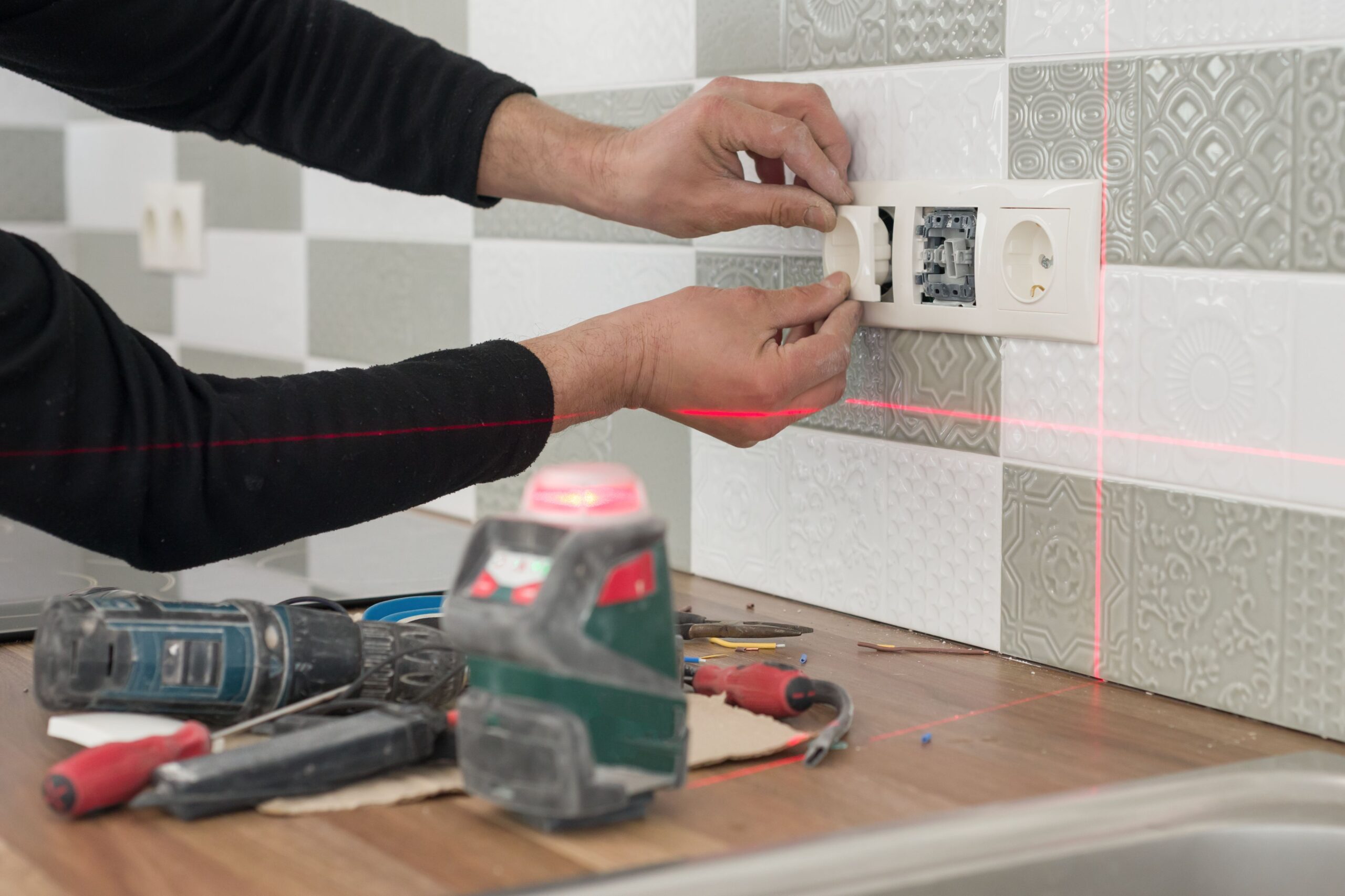
All electrical work in Australia must comply with AS/NZS 3000:2018, commonly called the Wiring Rules. This applies to both downlights and batten lights. In New South Wales, all electrical installation work must be carried out by a licensed electrician. DIY electrical work is illegal and can void your home insurance.
There are a few specific rules Sydney homeowners should know before choosing a fitting type.
- Downlights in bathrooms must be rated IP44 or higher to comply with wet area zone requirements under AS/NZS 3000.
- Downlights installed near ceiling insulation must be IC-rated (insulation contact rated) or have a 200mm clearance maintained around the fitting.
- In bushfire-prone areas of greater Sydney (including parts of the Hills District and Blue Mountains fringe suburbs), all fittings must comply with BAL (Bushfire Attack Level) ratings where applicable.
- Older Sydney homes with asbestos-containing ceilings (pre-1990 fibro homes) must be assessed before cutting for downlights. This is an important safety step the AJ Services Group team handles as standard practice.
Batten lights are simpler from a compliance perspective because they do not require ceiling penetrations. They still need to be installed by a licensed electrician, but there are fewer structural and safety considerations involved.
Decide which fitting is the right choice for your situation
The honest answer to the downlight vs batten light debate is that neither is universally better. Each one has a clear use case, and the best electricians in Sydney will tell you to match the fitting to the room, not to a trend.
Choose downlights if you want a modern finish, you have a plasterboard ceiling, the room is a living area or bedroom, and you are willing to invest a bit more for the aesthetic result. They add value to a home and are the preferred choice for new builds and renovations across Sydney.
Choose batten lights if you need bright, practical lighting fast and cheaply, the ceiling is concrete or fibro, the room is a utility space, or you are managing a rental property and want low maintenance costs. AJ Services Group installs both types across the Sydney metro area and can advise you on the best option during a site visit or over the phone.
If budget is tight, a common approach for Sydney homeowners is to install downlights in the main living and sleeping areas and use batten lights in the garage, laundry, and outdoor areas. This gives you the aesthetic benefit where it matters and keeps installation costs down everywhere else.
FAQs on downlight vs batten light
Can I replace my old batten light with a downlight?
Yes, but it requires more work than a straight swap. An electrician will need to cut a hole in the ceiling, run new wiring if the existing cable position does not align, and patch any gaps. In Sydney, this typically costs $120 to $200 per downlight converted from a batten fitting, plus patching if needed.
Are downlights more expensive to run than batten lights?
Not necessarily. A single LED batten at 36W uses more power than one LED downlight at 10W, but you usually need four to six downlights to match the light output of one batten. Total energy use per room is often similar. Always compare lumens, not just wattage, when calculating running costs.
Do downlights add value to a home in Sydney?
Yes, in most cases. LED downlights are considered a standard feature in modern Sydney homes and are looked for by buyers in living areas, kitchens, and bedrooms. They contribute to a finished, contemporary look that can support a higher property valuation, particularly in the inner suburbs and newer estates.
Can batten lights be used outdoors?
Yes, but you must use an IP-rated batten light suitable for outdoor use. Standard indoor batten lights are not weatherproof. For covered outdoor areas like carports or pergolas in Sydney, look for fittings rated IP54 or higher, and always have them installed by a licensed electrician to meet Australian standards.
How many downlights do I need for a standard Sydney bedroom?
A standard bedroom of 10 to 15 square metres typically needs four to six downlights spaced evenly across the ceiling. The exact number depends on the lumen output of each fitting and ceiling height. AJ Services Group can calculate the right layout for your room during a free quote.
Is it legal to install downlights myself in NSW?
No. Under NSW law, all electrical work including installing or replacing light fittings must be done by a licensed electrician. DIY electrical work is illegal, can result in fines, and will void your home insurance policy if something goes wrong. Always use a licensed professional for any electrical installation in your Sydney home.
Wrap up and next steps
The downlight vs batten light decision comes down to your room type, ceiling material, budget, and how much the finish matters to you. Downlights suit living spaces and modern interiors, while batten lights are the smart choice for utility rooms, garages, and rental properties.
AJ Services Group installs both downlights and batten lights across Sydney and can help you choose the right fitting for every room in your home. Contact us today to book a free quote or get advice from one of our licensed electricians.