Written by AJ Services Group | Published on June 2025
A commercial electrical fitout for an NSW office involves planning and installing power circuits, lighting, data infrastructure, safety systems and emergency equipment to meet Australian standards. Most Sydney office fitouts range from $15,000 for a small suite to well over $150,000 for a full-floor or multi-level space.
This article covers every major stage of a commercial electrical fitout, what NSW regulations apply, typical costs, timelines and what to look for when choosing a licensed electrician in Sydney.
Understand What a Commercial Electrical Fitout Actually Covers
A fitout is more than just running some power points to desks. It covers the full electrical and data infrastructure a modern office needs to operate safely and efficiently.
Here is a breakdown of what is typically included in a commercial office electrical fitout in NSW:
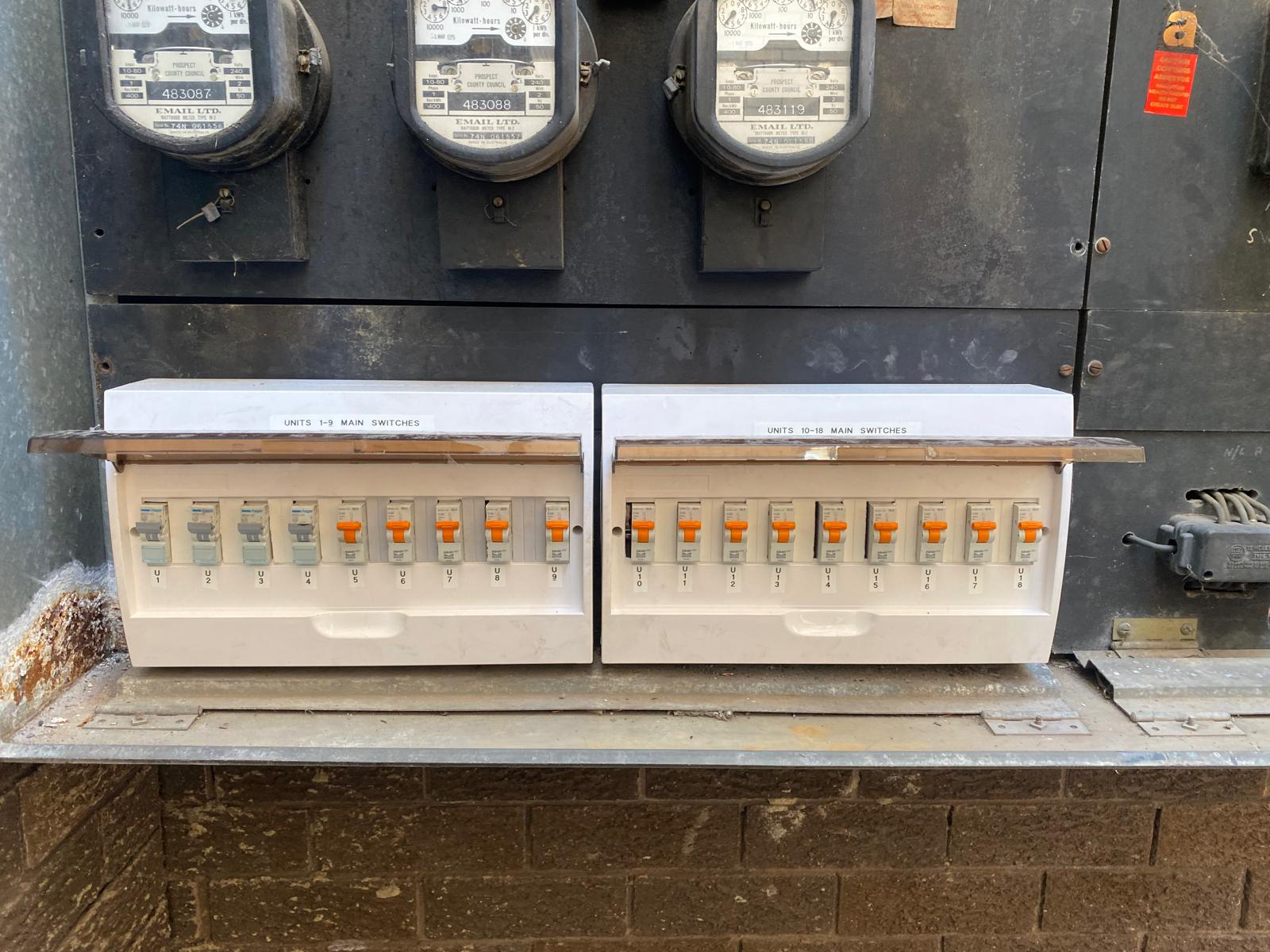
- Switchboard upgrades or new switchboard installation
- General power outlets and dedicated circuits for equipment
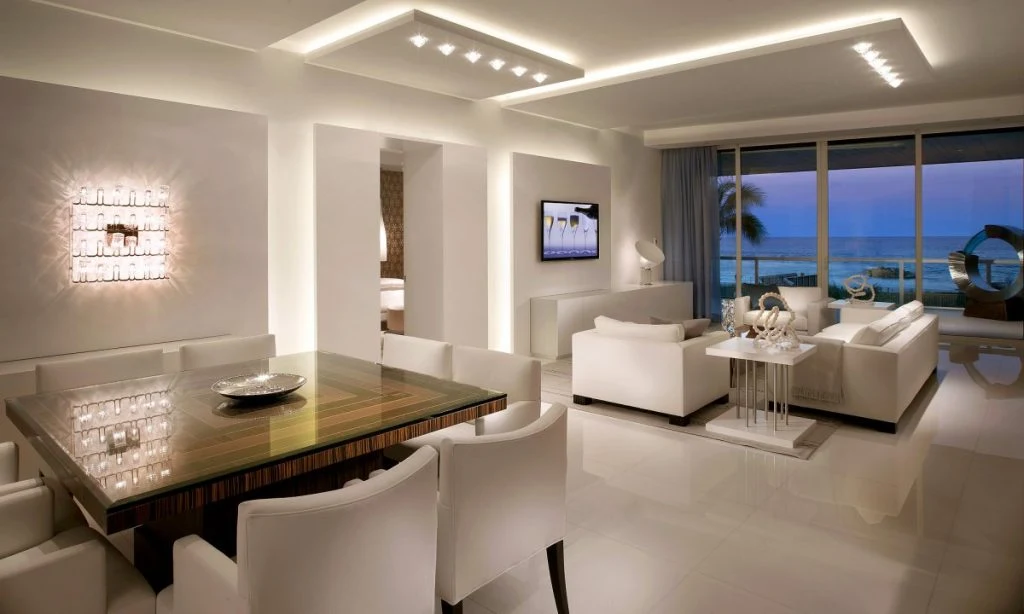
- LED lighting design and installation (including dimmable and zoned lighting)
- Emergency lighting and exit signs compliant with AS 2293
- Data cabling and structured cabling (Cat6 or Cat6A)
- Telephone and communications points
- Smoke detectors and fire alarm integration
- Air conditioning electrical connections
- Security system wiring and access control points
- Earthing and surge protection
Every one of these elements must meet the requirements of AS/NZS 3000, commonly known as the Wiring Rules, as well as any NSW Fair Trading and local council requirements that apply to commercial tenancies.
Review the Key Stages of a Commercial Electrical Fitout
A well-run fitout follows a clear sequence of stages. Skipping steps or rushing the process creates compliance issues and expensive rework later.
- Site inspection and scope of works: The electrician visits the space, reviews existing infrastructure and identifies what needs to be installed or upgraded.
- Design and documentation: Electrical drawings are prepared showing circuit layouts, load calculations, lighting plans and data cabling routes.
- Quoting and approval: The client reviews and approves the scope and cost. Development approval or a complying development certificate may be required depending on the building and location.
- First fix (rough-in): Conduit, cable trays, cables and back boxes are installed in walls, ceilings and floors before linings go on.
- Second fix (fit-off): Power outlets, switches, light fittings, data plates and switchboard components are fitted and connected.
- Testing and commissioning: All circuits are tested to AS/NZS 3017. Emergency lighting is tested separately.
- Certificate of Compliance: A licensed electrical contractor issues a Certificate of Compliance for Electrical Work (CCEW), which is required under NSW legislation.
AJ Services Group manages every one of these stages in-house, which means less coordination headaches for project managers and building owners across Sydney.
Compare Typical Costs for NSW Office Electrical Fitouts
Costs vary significantly based on office size, the condition of existing infrastructure and the complexity of the fit-off. Below is a general cost guide based on typical Sydney commercial projects.
| Office Size | Estimated Electrical Fitout Cost | Typical Timeline |
|---|---|---|
| Small office (under 100 sqm) | $15,000 to $35,000 | 1 to 2 weeks |
| Medium office (100 to 300 sqm) | $35,000 to $80,000 | 2 to 4 weeks |
| Large office (300 to 600 sqm) | $80,000 to $130,000 | 4 to 8 weeks |
| Full floor or multi-tenancy (600+ sqm) | $130,000 to $250,000+ | 8 to 16 weeks |
These figures are guides only. Heritage buildings in Sydney’s CBD or older commercial stock in suburbs like Pyrmont, Surry Hills or Parramatta often have legacy wiring that adds to the scope and cost.
Additional cost factors include:
- Switchboard capacity and age (older buildings often need full replacements)
- Number of data and power points per workstation</n
- Type of lighting specified (batten lights vs recessed LED panels vs architectural pendants)
- Whether the tenancy is a base build or a fully fitted space
- After-hours work required to avoid disrupting other tenants
Know What NSW Regulations Apply to Commercial Electrical Work
In NSW, all electrical work must be carried out by a licensed electrical contractor. This is not optional. Unlicensed work is illegal under the Home Building Act 1989 and the Electricity (Consumer Safety) Act 2004, even in commercial settings.
Key compliance requirements for NSW office fitouts include:
| Requirement | Standard or Regulation | Who Enforces It |
|---|---|---|
| Wiring and installation | AS/NZS 3000 (Wiring Rules) | SafeWork NSW |
| Certificate of Compliance | Electricity (Consumer Safety) Act 2004 | NSW Fair Trading |
| Emergency lighting | AS 2293.1 | Fire and Rescue NSW / BCA |
| Energy efficiency (lighting) | National Construction Code Section J | Local council / certifier |
| RCD protection | AS/NZS 3000 Clause 2.6 | SafeWork NSW |
| Smoke alarms | Environmental Planning and Assessment Regulation | Local council |
The National Construction Code (NCC) Section J energy efficiency requirements are particularly relevant for NSW offices. They set mandatory power density limits for lighting and require sub-metering in some commercial tenancies.
Your licensed electrician should be across all of these requirements before work starts. AJ Services Group ensures full documentation is prepared and submitted correctly to avoid delays with certifiers and building managers.
Explore How Lighting Design Affects Office Productivity and Compliance
Lighting is one of the most impactful elements of an office fitout. It affects how people work, how the space feels, and whether the building passes its energy compliance assessment under Section J of the NCC.
A good commercial lighting design for an NSW office typically includes:
- General ambient lighting at 320 to 400 lux at desk height (per AS/NZS 1680)
- Task lighting for detailed work areas
- Zoned switching or DALI dimming systems for energy control
- Daylight sensors near windows to reduce unnecessary artificial lighting
- Emergency lighting at exits and along egress paths
- Exit signs with battery backup compliant with AS 2293
LED fittings are now standard across Sydney commercial fitouts. They use roughly 60 to 70 percent less energy than older fluorescent systems and have a lifespan of 50,000 hours or more.
Popular LED panel brands used in commercial fitouts in NSW include Pierlite, Crompton, Thorn and Sylvania. Your electrician should be able to spec products that meet both the aesthetic brief and the NCC energy budget.
Plan Data and Communications Cabling for a Modern Office
Data cabling is a critical part of any commercial fitout but is often underestimated in scope. A poorly planned cabling layout creates bottlenecks, interference issues and expensive retrofits later.
For NSW offices, Cat6A structured cabling is now the recommended standard. It supports 10 Gigabit Ethernet and provides headroom for future technology upgrades without re-cabling the whole tenancy.
Key considerations for your data cabling plan include:
- Number of data points per workstation (typically 2 to 4 per desk in modern offices)
- Location and size of the communications room or comms rack
- Separation of data cabling from electrical cabling to reduce interference
- Patch panel layout and rack management
- WiFi access point locations and ceiling mounting requirements
- Cable management through raised floors or ceiling voids
All structured cabling should be tested and certified post-installation. A FLUKE or similar test report gives you documented evidence that every run meets the Cat6A standard.
AJ Services Group handles both the electrical and data cabling scope for Sydney office fitouts, which means one point of contact and better coordination between trades.
FAQs on Commercial Electrical Fitouts for NSW Offices
Do I need council approval for an office electrical fitout in NSW?
It depends on the nature and scale of the works. Minor fitouts in an existing tenancy may only require a complying development certificate, while significant structural or building changes will need a development application. Your electrician and building certifier can advise based on your specific building and location.
How long does a typical commercial electrical fitout take in Sydney?
A small office under 100 sqm can take one to two weeks. Medium-sized offices of 100 to 300 sqm generally take two to four weeks. Larger or more complex fitouts can run eight weeks or more, particularly if after-hours work is required or heritage building constraints apply.
Can the electrical fitout happen at the same time as other trades?
Yes, and in most commercial fitouts it does. Electricians typically work alongside carpenters, HVAC technicians and data contractors. Good project sequencing is essential. First-fix electrical work must be completed before walls are lined, and second-fix happens after linings are painted. Clear communication between trades avoids delays.
What is a Certificate of Compliance for Electrical Work in NSW?
A Certificate of Compliance for Electrical Work (CCEW) is a legal document issued by a licensed electrical contractor after completing electrical work in NSW. It confirms the work meets Australian standards and relevant legislation. You must receive this certificate before the space is occupied. It is required by NSW Fair Trading.
What questions should I ask an electrician before starting a commercial fitout?
Ask whether they hold a valid NSW electrical contractor licence, whether they carry public liability and workers compensation insurance, and whether they have experience with commercial office fitouts specifically. Also ask how they handle variations to scope, and whether they will provide a CCEW and as-built drawings on completion.
Is LED lighting mandatory in NSW commercial offices?
LED is not specifically mandated, but the National Construction Code Section J energy efficiency requirements set maximum lighting power density limits that are very difficult to meet with older fluorescent technology. In practice, LED is the only cost-effective way to comply for most NSW commercial office fitouts.
Wrap Up and Next Steps
A commercial electrical fitout for an NSW office is a multi-stage process that covers power, lighting, data, safety systems and compliance documentation. Getting the scope, design and sequencing right from the beginning saves time, money and avoids issues with certifiers and building managers down the track.
AJ Services Group is a licensed electrical contractor based in Sydney, working across commercial office fitouts throughout NSW. Whether you are fitting out a new tenancy or upgrading an existing space, our team can help you plan and deliver the project properly.
Contact AJ Services Group today to request a quote or arrange a site inspection for your office electrical fitout.