Written by AJ Services Group | Published on July 2025
Commercial roller doors in NSW must comply with Australian Standard AS 5007, Work Health and Safety regulations, and any applicable local council requirements. Non-compliance exposes your business to fines, voided insurance, and serious injury liability. This article covers the key compliance requirements, inspection schedules, and what to do if your doors are not up to standard in Sydney.
Understand the Key Australian Standards That Apply
The main standard governing powered commercial doors in Australia is AS 5007:2007, which covers industrial and commercial door systems. This standard sets out requirements for safe operation, control systems, and safety devices like safety edges and photo-electric beams.
For manually operated roller doors, AS/NZS 4600 and the broader Building Code of Australia (BCA) set structural and safety benchmarks. If your roller door is linked to a fire or smoke control system, it must also comply with AS 1905.2 and AS 4428.
NSW business owners should also be aware that the Work Health and Safety Act 2011 places a duty of care on employers to ensure all plant and equipment, including roller doors, is safe to use. A non-compliant door is considered unsafe plant under this legislation.
Know Which Door Types Require Compliance Certification
Not all roller doors have the same compliance obligations. The type of door, how it is operated, and how it is used in your business all affect what certifications and ongoing maintenance you need.
| Door Type | Compliance Standard | Certification Required |
|---|---|---|
| Powered industrial roller door | AS 5007:2007 | Yes, installer certification required |
| Fire-rated roller door | AS 1905.2, BCA | Yes, must be listed and certified |
| Manual commercial roller door | BCA, AS/NZS 4600 | Structural check recommended |
| High-speed rapid door | AS 5007:2007 | Yes, plus annual safety inspection |
| Smoke control door | AS 4428.1 | Yes, BCA Section C compliance required |
If you are unsure which category your door falls under, AJ Services Group can conduct a site assessment and advise you on your exact obligations under current NSW regulations.
Follow the Required Inspection and Maintenance Schedule
Compliance is not a one-time event. Powered commercial roller doors in NSW require regular inspection and documented maintenance to remain compliant under AS 5007 and WHS obligations.
Here is the general inspection schedule that applies to most commercial roller door installations in Sydney:
- Monthly: Visual check of safety edges, photocell beams, and control panels. Test auto-reverse function under load.
- Quarterly: Lubrication of springs, hinges, and guides. Check for wear on curtain slats and bottom bar.
- Annually: Full mechanical inspection by a licensed technician. Test all safety devices and document results. Review compliance against current standards.
- After any incident: Immediate inspection before the door returns to service. Document the incident and any repairs made.
All inspections must be recorded in a maintenance log. This log is your evidence of compliance if WorkSafe NSW or your insurer ever asks. Skipping documentation is treated the same as skipping the inspection itself.
Compare Common Compliance Failure Points and Their Risks
Many Sydney businesses have roller doors that were compliant when installed but have fallen out of compliance over time due to wear, modification, or changes in the standards. The most common failure points are predictable and avoidable.
| Compliance Issue | Risk Level | Potential Consequence |
|---|---|---|
| No auto-reverse safety function | High | Serious injury, WHS prosecution |
| Broken or missing safety edge | High | Fines, voided public liability insurance |
| No maintenance records | Medium | Failed audit, increased insurer scrutiny |
| Uncertified installer or parts | High | Non-compliant installation, liability transfer |
| Fire door propped open or modified | Critical | BCA breach, potential criminal liability |
| Outdated control panel firmware | Low-Medium | Safety device malfunction, failed inspection |
Fire-rated roller doors are a particular concern in Sydney’s industrial precincts, such as those in Wetherill Park, Alexandria, and Silverwater. A fire door that has been modified, propped, or allowed to fall into disrepair is a BCA breach and a serious fire safety risk.
Understand the NSW Penalties for Non-Compliance
The financial and legal consequences of non-compliant roller doors in NSW are significant. Business owners often underestimate their exposure until an incident or audit occurs.
Under the Work Health and Safety Act 2011 (NSW), penalties include:
- Category 1 offence (reckless conduct causing serious harm): up to $3 million for a corporation or 5 years imprisonment for an individual.
- Category 2 offence (failure to comply with a duty that exposes a person to serious harm): up to $1.5 million for a corporation.
- Category 3 offence (failure to comply with a duty): up to $500,000 for a corporation.
- Improvement and prohibition notices issued by SafeWork NSW inspectors, which can shut down operations immediately.
Beyond WHS penalties, a non-compliant roller door can void your public liability and property insurance policies. If a worker or visitor is injured by a non-compliant door, you may face civil litigation with no insurance coverage to back you.
These are not theoretical risks. SafeWork NSW conducts regular compliance visits to industrial and commercial premises across greater Sydney, particularly following reported incidents or complaints.
Check What New Installations and Upgrades Require in Sydney
If you are installing a new commercial roller door or upgrading an existing one, there are specific steps you must follow to ensure the installation is compliant from day one.
For powered roller doors over a certain size or in certain building classes under the BCA, you may need a construction certificate or complying development certificate from your local council. In Sydney, this process varies slightly between councils such as Inner West, City of Sydney, and Penrith, so confirm requirements before work begins.
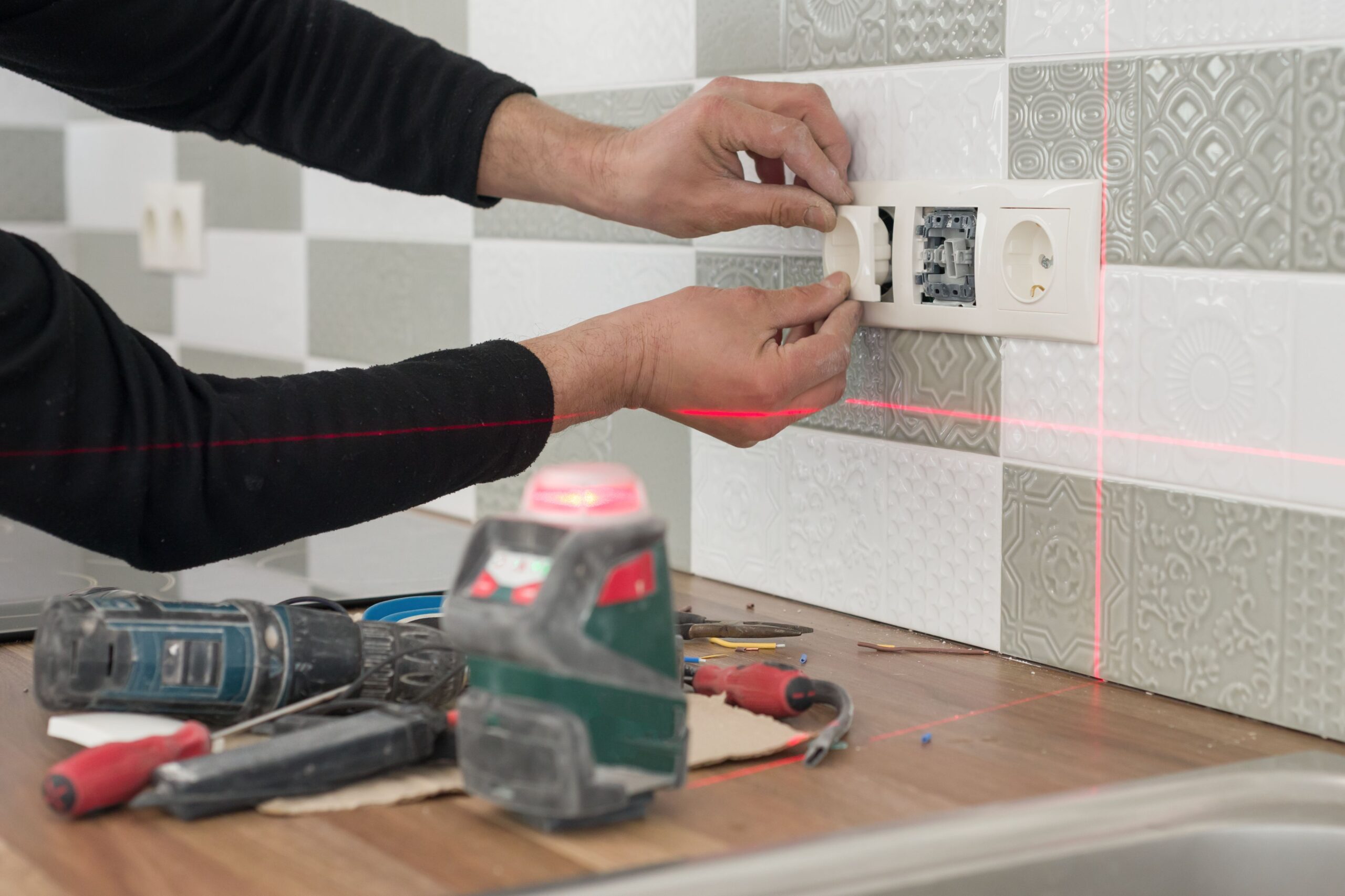
The installation must be carried out by a licensed electrical contractor if the door is motorised, as the control wiring and motor connection fall under electrical licensing requirements in NSW. AJ Services Group holds the relevant electrical and installation licences to handle compliant roller door installations across Sydney.
After installation, the installer should provide you with a compliance declaration or certificate of installation that references the relevant standards. Keep this document permanently as part of your compliance file.
FAQs on Commercial Roller Door Compliance in NSW
How often does a commercial roller door need to be inspected in NSW?
Powered commercial roller doors should be visually checked monthly, serviced quarterly, and given a full compliance inspection annually by a licensed technician. After any incident involving the door, it must be inspected before being returned to service. All inspections must be documented.
Do I need council approval to install a commercial roller door in Sydney?
It depends on the building class and the size of the opening. Many commercial roller door installations in Sydney qualify as exempt development, but some require a complying development certificate or construction certificate. Check with your local council or speak to a licensed installer before proceeding.
What is the auto-reverse requirement for roller doors in NSW?
Under AS 5007:2007, powered commercial doors must include an auto-reverse or obstruction detection system that stops and reverses the door if it contacts a person or object. Safety edges and photocell beams are the most common methods. These devices must be tested regularly and documented.
Can I be fined if a contractor modified my roller door without my knowledge?
As the person in control of the premises, you carry the duty of care under NSW WHS legislation. If a door on your property is non-compliant, you can still face penalties even if a third party carried out the modification. Regular inspections help you identify and correct unauthorised changes before they become a liability.
What makes a fire-rated roller door non-compliant in NSW?
A fire-rated roller door becomes non-compliant if it has been modified, if its release mechanism is disabled, if it is propped open, or if it has not been serviced according to the manufacturer’s schedule and AS 1851. Fire doors must be able to close automatically and seal the opening in a fire event.
Who can certify a commercial roller door installation in NSW?
A licensed electrical contractor must connect and certify the motor and control wiring. The overall installation should reference compliance with AS 5007 and be documented by the installer. For fire-rated doors, certification must align with the BCA and the door’s listed product certification. AJ Services Group can manage this process end to end.
Wrap Up and Next Steps
Commercial roller door compliance in NSW is not optional. AS 5007, WHS legislation, and the BCA all place real obligations on Sydney business owners to install, maintain, and document their roller doors correctly.
The good news is that compliance is straightforward when you work with the right team from the start. AJ Services Group provides licensed installation, compliance inspections, and maintenance programs for commercial roller doors across Sydney. Contact us today to book an inspection or request a quote for your business.