Written by AJ Services Group | Published on July 2025
A well-maintained roller door should last 15 to 25 years with minimal issues. Neglect it, and you are looking at snapped springs, failed motors, and costly emergency callouts that disrupt your operations. This checklist covers every maintenance task Sydney warehouse and factory owners need to perform monthly, quarterly, and annually to keep roller doors running safely and reliably.
Understand Why Roller Door Maintenance Matters for Industrial Sites
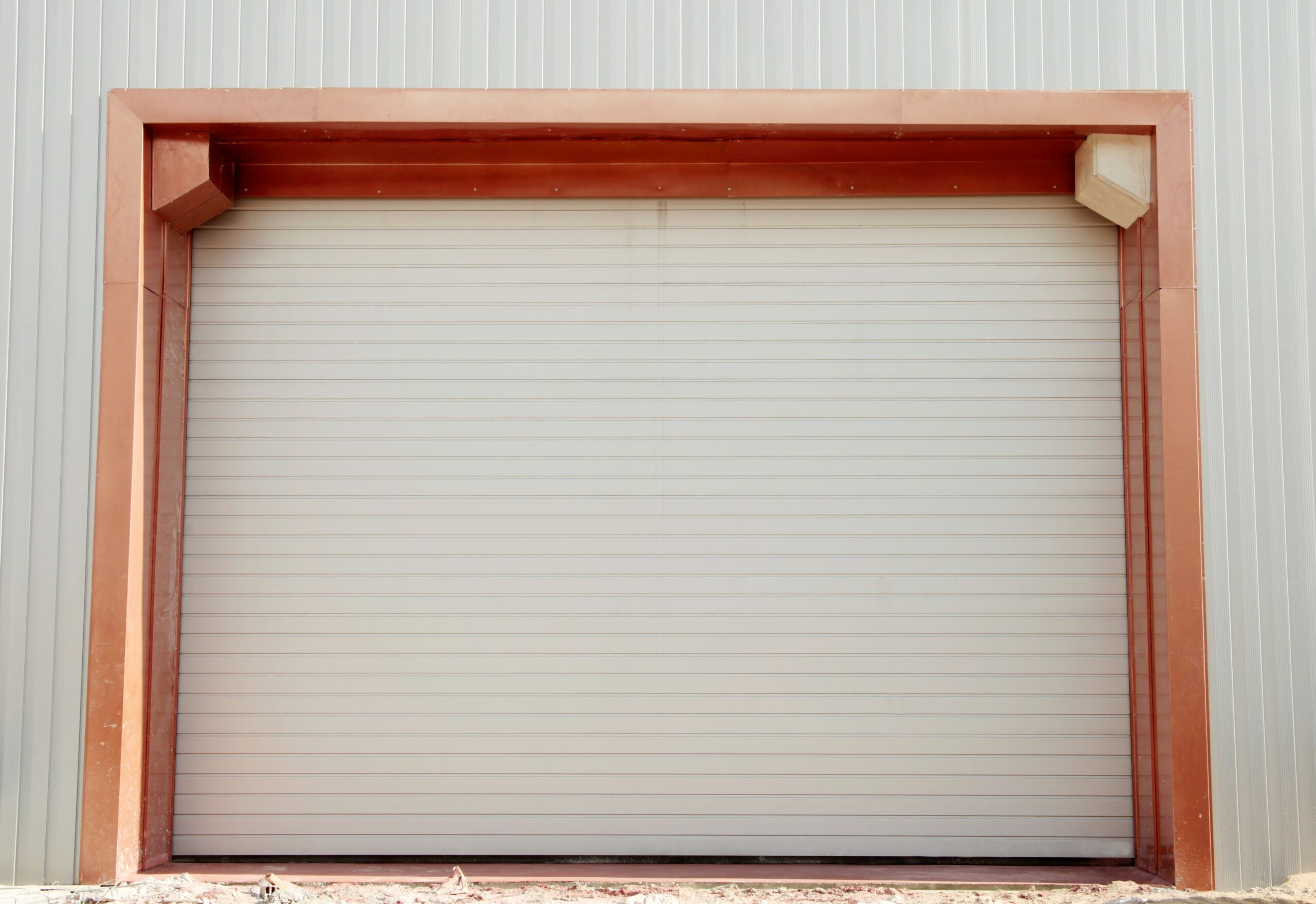
Roller doors on warehouses and factories work harder than any residential door. They cycle dozens of times a day under heavy use, in all weather conditions. In Sydney, coastal salt air, humidity, and summer heat all accelerate wear on springs, cables, and tracks.
A failed roller door does not just inconvenience your team. It can halt loading dock operations, compromise site security, and create serious safety hazards. A snapped torsion spring under tension can cause serious injury if it fails unexpectedly.
Regular maintenance reduces the chance of unexpected failure by catching worn components before they give out. It also keeps your door compliant with workplace safety obligations under NSW Work Health and Safety legislation.
The AJ Services Group team services industrial roller doors across Greater Sydney regularly, and the most common feedback from clients is that small issues caught early are always cheaper to fix than emergency repairs after a breakdown.
Follow This Monthly Roller Door Maintenance Checklist
Monthly checks take around 15 to 20 minutes and should be done by your site manager or maintenance staff. You do not need specialist tools for most of these tasks.
- Visual inspection of panels: Look for dents, cracks, or warping in each panel. Damaged panels affect how the door seals and tracks.
- Check the tracks: Inspect both vertical and horizontal tracks for dents, bends, or debris buildup. Obstructions in the track cause uneven movement and premature wear.
- Test the auto-reverse function: Place a flat object like a piece of timber under the door. The door must reverse when it contacts the object. If it does not, stop using the automated function immediately.
- Inspect weather seals and bottom seal: Seals should be flexible and intact. Cracked or compressed seals let in dust, water, and pests.
- Listen for unusual noises: Grinding, squealing, or banging during operation signals a problem with springs, rollers, or the motor.
- Check remote and keypad function: Test all access control devices and replace batteries if response is slow or inconsistent.
- Clear the area around sensors: Wipe photo-eye sensors clean. Dust and spider webs are a common cause of sensor faults in warehouse environments.
Complete These Quarterly Maintenance Tasks
Every three months, go deeper into the mechanical components of your roller door. These tasks require closer inspection and some basic tools.
- Lubricate rollers, hinges, and tracks: Use a silicone-based or lithium-based lubricant. Avoid WD-40 as a long-term lubricant as it evaporates quickly and attracts dust.
- Inspect torsion or extension springs: Look for rust, gaps in the coils, or uneven winding. Do not attempt to adjust springs yourself. Spring replacement is a job for a licensed technician.
- Check cables for fraying: Lift cables and drum cables should be free of fraying, kinking, or rust. Frayed cables are a serious safety risk and should be replaced immediately.
- Test the manual release: Every roller door should have an emergency manual release. Test it quarterly to confirm it disengages the motor correctly and the door can be operated by hand.
- Inspect the motor unit: Check for unusual heat, vibration, or oil leaks around the motor housing. Check that mounting bolts are tight.
- Tighten all hardware: Brackets, bolts, and hinges loosen over time from vibration. A quick tighten prevents larger issues down the track.
Annual Servicing Tasks and What They Should Cover
Once a year, your roller door should be professionally serviced by a licensed electrical or roller door technician. This is especially important for motorised industrial doors operating under high cycle counts.
| Annual Service Task | Why It Matters | Typical Cost in Sydney (AUD) |
|---|---|---|
| Full mechanical inspection | Identifies worn springs, cables, and rollers before failure | $150 to $300 |
| Motor and drive system check | Ensures motor is operating within correct load limits | Included in service or $80 to $150 |
| Spring adjustment or replacement | Correct spring tension protects motor and reduces strain | $200 to $600 per spring |
| Track alignment and levelling | Prevents uneven wear and panel damage | $100 to $250 |
| Safety feature testing | Confirms auto-reverse, sensors, and limits are compliant | Usually included in service |
| Full lubrication service | Extends component life and reduces noise | Included in most service packages |
A full annual service from a reputable provider in Sydney typically ranges from $250 to $500 for a standard industrial roller door, depending on door size and complexity. High-cycle doors used in busy logistics facilities may need servicing every six months.
Identify Common Roller Door Problems and Their Warning Signs
Knowing what early warning signs look like means you can act before a full breakdown. The table below outlines the most common issues AJ Services Group encounters on Sydney warehouse sites.
| Warning Sign | Likely Cause | Action Required |
|---|---|---|
| Door moves unevenly or jerks | Worn rollers or misaligned track | Inspect rollers and track alignment |
| Loud grinding or squealing | Lack of lubrication or worn bearings | Lubricate and inspect rollers |
| Door reverses before closing fully | Misaligned sensor or limit switch fault | Clean and realign sensors, check limits |
| Door is slow to open or close | Motor strain or spring tension issue | Inspect spring tension and motor load |
| Visible gaps when door is closed | Worn bottom seal or panel damage | Replace seals, inspect panels |
| Remote control range reduced | Low battery, interference, or aerial issue | Replace battery, check aerial connection |
| Banging noise during operation | Loose hardware or panel misalignment | Tighten all hardware and inspect panels |
If you notice any of these warning signs, do not ignore them and keep using the door. Most of these issues escalate quickly and what starts as a $150 service call can become a $1,500 emergency repair if left too long.
Know the Safety and Compliance Requirements in NSW
In New South Wales, industrial roller doors that are motorised fall under the scope of electrical safety regulations and workplace health and safety obligations. Here is what Sydney warehouse and factory owners need to know.
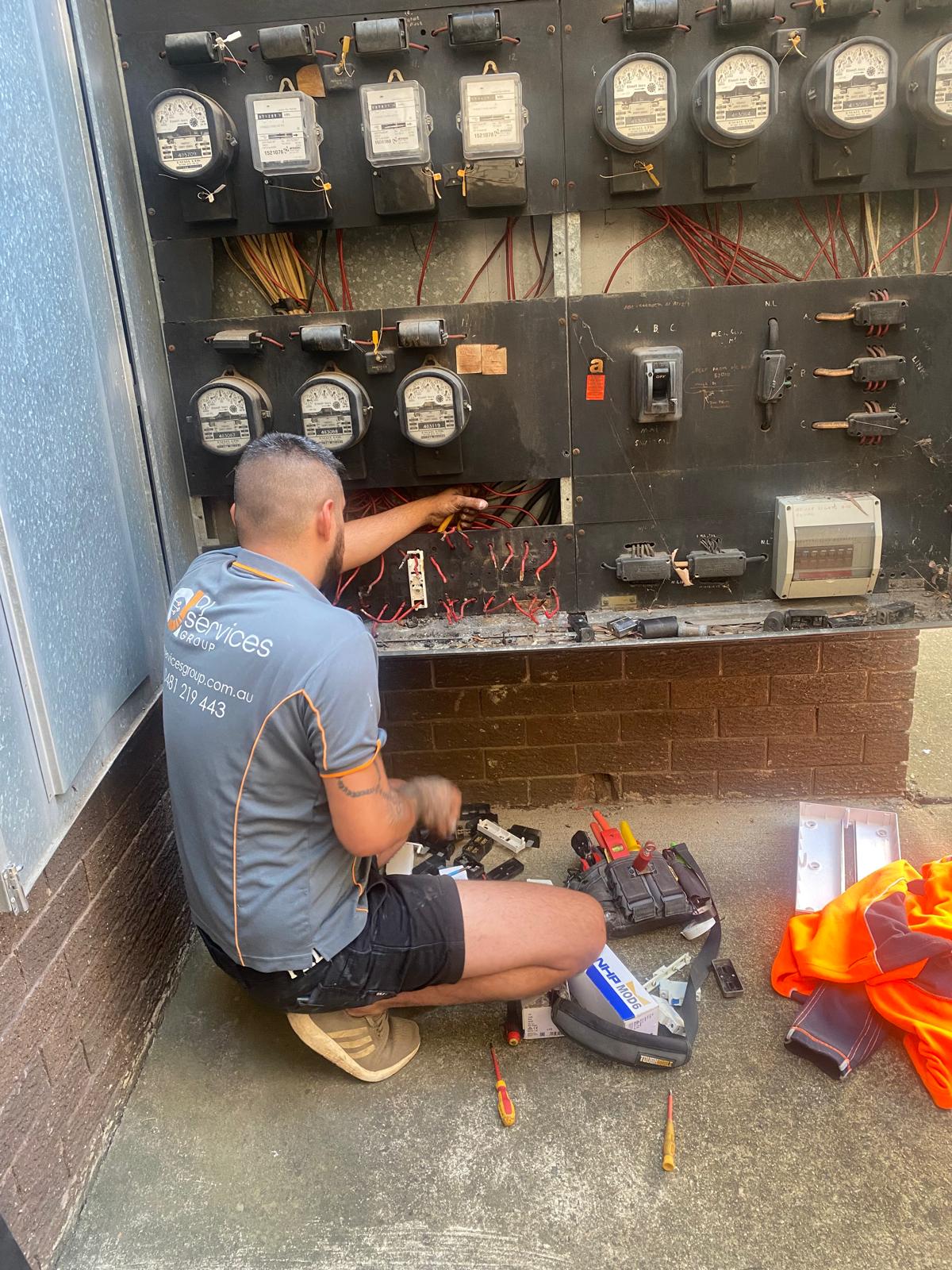
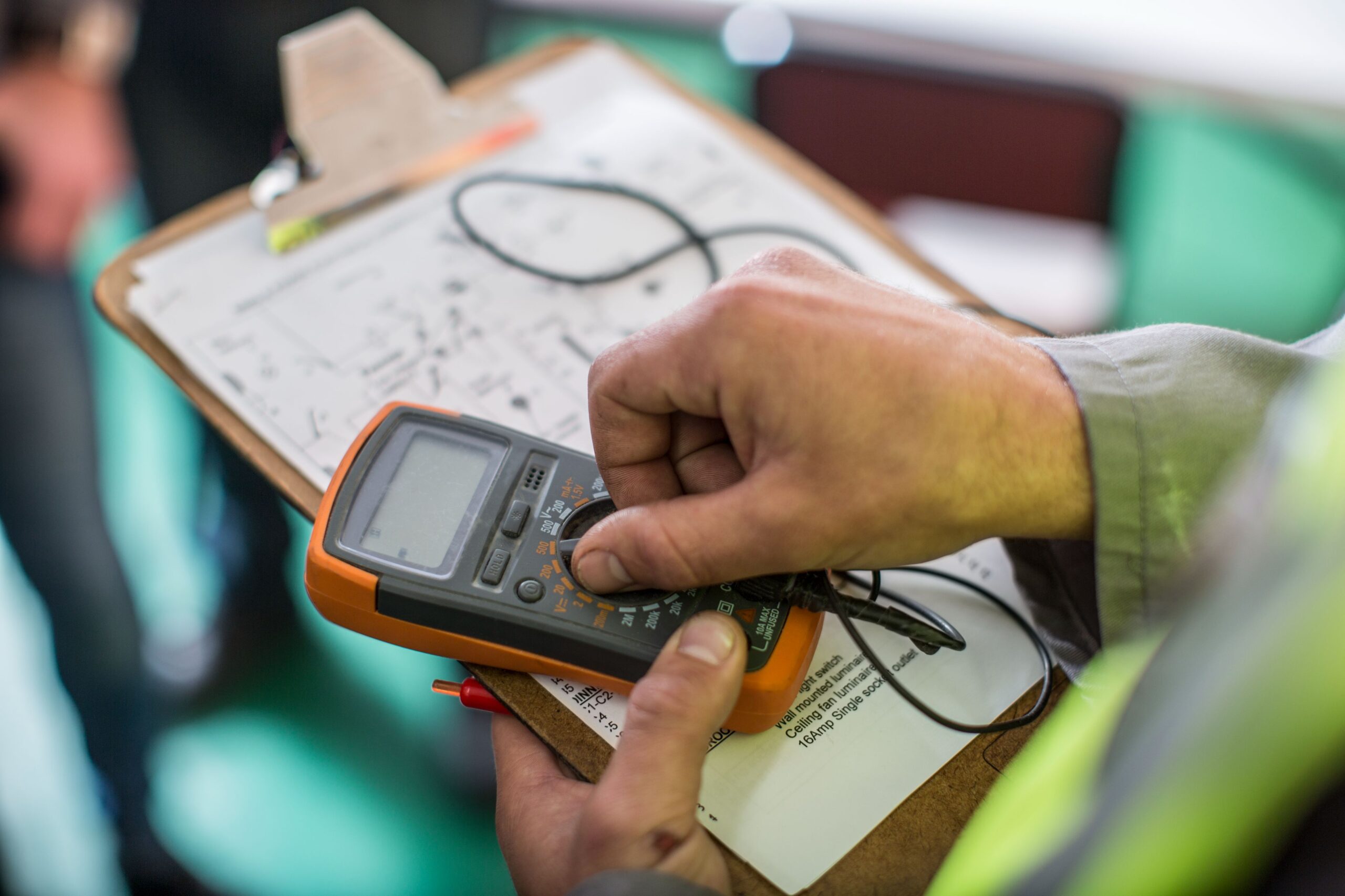
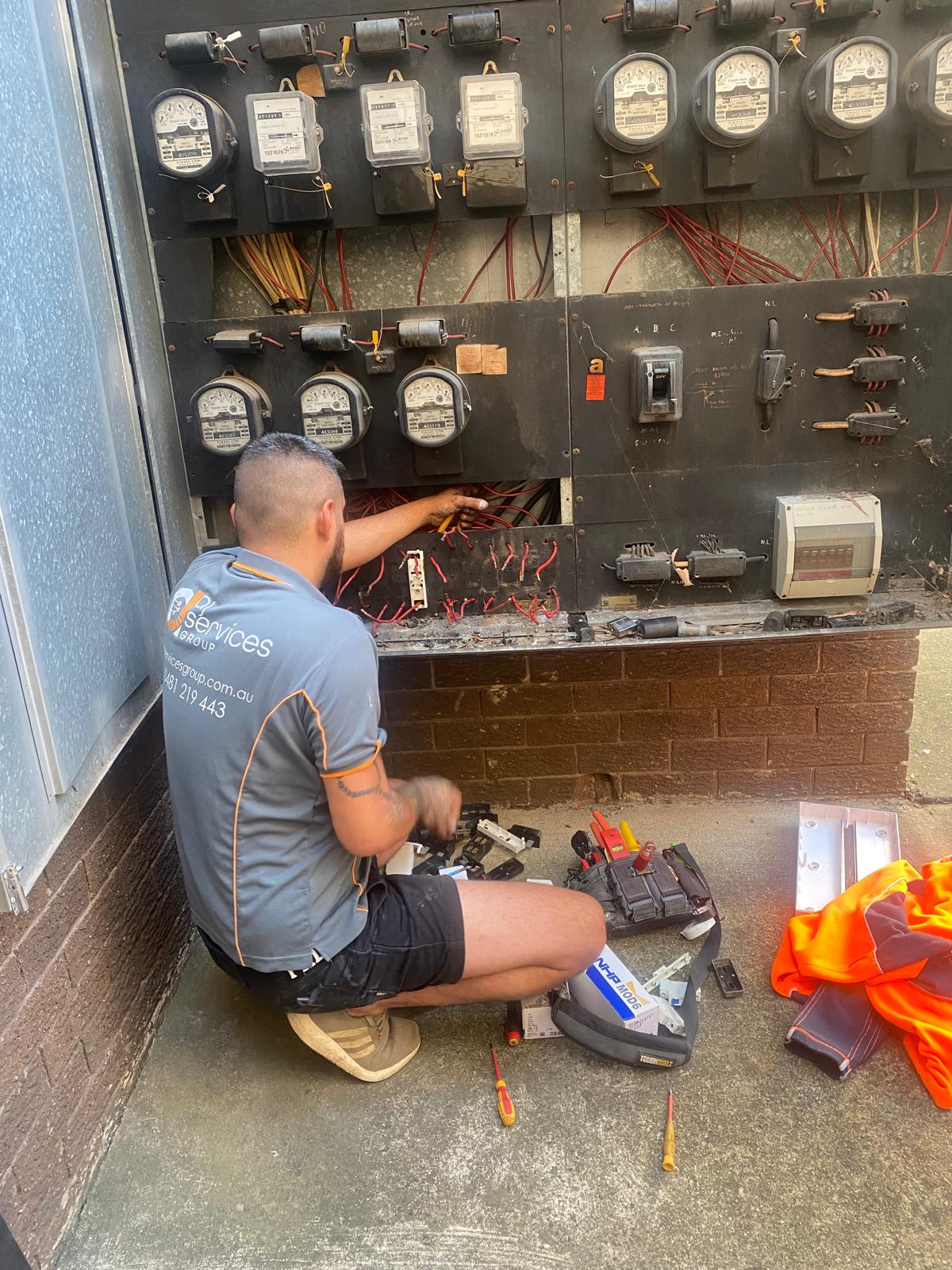
All electrical work on motorised roller doors, including motor installation, wiring, and control panel work, must be performed by a licensed electrician. This is a legal requirement under the NSW Electrical Safety Act.
Under the Work Health and Safety Act 2011 (NSW), employers have a duty to ensure plant and equipment is safe. A roller door that has a faulty auto-reverse function or a snapped spring is classified as unsafe plant and must be taken out of service until repaired.
Keep a maintenance log for every roller door on your site. Record the date, what was checked, what was found, and what action was taken. This log is your evidence of due diligence if an incident occurs and WorkSafe NSW investigates.
AJ Services Group provides documentation after every service visit, which you can use as part of your maintenance records. This is particularly useful for businesses operating under ISO or quality management frameworks.
Build a Maintenance Schedule That Works for Your Site
Every warehouse is different. A cold storage facility with doors cycling 80 times a day has different maintenance needs than a manufacturing plant where a door opens a handful of times per shift.
Use cycle count as your guide. Industry standard for roller door components is based on cycle ratings. Most commercial torsion springs are rated for 10,000 to 25,000 cycles. If your door does 50 cycles a day, a 10,000-cycle spring lasts around 200 days, not years.
Here is a simple framework to adapt to your site:
- Low use (under 10 cycles per day): Monthly visual checks, quarterly lubrication, annual professional service.
- Medium use (10 to 30 cycles per day): Monthly checks, quarterly professional inspection, annual full service with spring assessment.
- High use (30 or more cycles per day): Fortnightly checks, six-monthly professional service, spring replacement every 12 to 18 months.
Talk to your service provider about setting up a scheduled maintenance agreement. AJ Services Group offers tailored service plans for Sydney industrial clients, which helps spread costs and avoids the scramble of booking emergency repairs.
FAQs on Roller Door Maintenance for Warehouses and Factories
How often should a commercial roller door be serviced in Sydney?
Most commercial and industrial roller doors should be professionally serviced at least once a year. High-use doors cycling more than 30 times per day should be serviced every six months. Sydney’s coastal climate and heat can accelerate wear on springs and seals, so do not stretch service intervals too far.
Can I lubricate my roller door myself?
Yes, basic lubrication of rollers, hinges, and tracks is a task your maintenance staff can handle. Use a silicone-based or lithium-based lubricant and apply it to moving parts every three months. Avoid lubricating the bottom seal or photo-eye sensors, and never spray lubricant near electrical components.
What is the most common reason roller doors fail on warehouse sites?
Broken torsion springs are the most common cause of roller door failure on industrial sites. Springs fatigue over time from repeated cycling and eventually snap. Regular inspections catch early signs of wear like rust, gaps in the coils, or uneven winding before a full break occurs.
Is it safe to use a roller door if the auto-reverse is not working?
No. A roller door without a working auto-reverse function is a serious safety risk and should be taken out of automated service immediately. Under NSW work health and safety law, operating unsafe plant exposes employers to significant liability. Contact a licensed technician for repair before resuming normal use.
How much does a roller door service cost for a warehouse in Sydney?
A standard annual service for an industrial roller door in Sydney typically costs between $250 and $500. This includes inspection, lubrication, hardware tightening, and safety testing. Additional costs apply if components like springs, cables, or rollers need replacing. Emergency callout fees are significantly higher, often starting at $200 to $350 just for the callout.
Who is allowed to work on motorised roller doors in NSW?
Mechanical adjustments like spring replacement and track alignment should be done by qualified roller door technicians. Any electrical work, including motor installation, control wiring, and sensor connections, must be carried out by a licensed electrician under NSW law. Always verify your provider holds the appropriate licences before work begins.
Wrap Up and Next Steps
A consistent maintenance routine is the most cost-effective investment you can make in your roller door infrastructure. Monthly visual checks, quarterly lubrication and hardware inspections, and an annual professional service will dramatically extend the life of your doors and reduce the risk of unexpected downtime.
If your warehouse or factory in Sydney is overdue for a roller door service or you have noticed any of the warning signs covered in this checklist, get in touch with AJ Services Group. We service industrial roller doors across Greater Sydney and can set up a maintenance schedule that fits your site’s cycle count and operational needs.
Contact AJ Services Group today to request a quote or book your next roller door service. Call our team directly or use our online enquiry form to get started.