Managing commercial roller door compliance in NSW does not have to be overwhelming, even if you oversee a busy warehouse, factory, or strata property in Sydney. At its core, compliance is about safety, reliability, and accountability. When your roller doors meet the required standards, you reduce the risk of workplace incidents, avoid costly penalties, and keep operations running without interruption.
In this guide, we explain the commercial roller door compliance standards in NSW and the safety checks Sydney businesses need to follow. You will learn which regulations apply, what inspectors look for, and how to keep your roller doors compliant and safe.
What Does Roller Door Compliance Mean in NSW?
In simple terms, compliance means your commercial roller doors are safe to operate and properly maintained. They must not pose a risk to staff, visitors, or property.
NSW law does not list a single checklist applicable to all roller doors. Instead, compliance is based on your obligation to identify risks and take reasonable steps to control them, including installing suitable doors, keeping them in safe working order, and fixing faults as soon as they are identified, according to the Work Health and Safety (WHS) requirements.
If a roller door fails and causes injury, damage, or downtime, regulators will assess whether you took reasonable steps to prevent the failure. Maintenance records, service history, and repair actions all matter.
Safety Regulations for Commercial Roller Doors
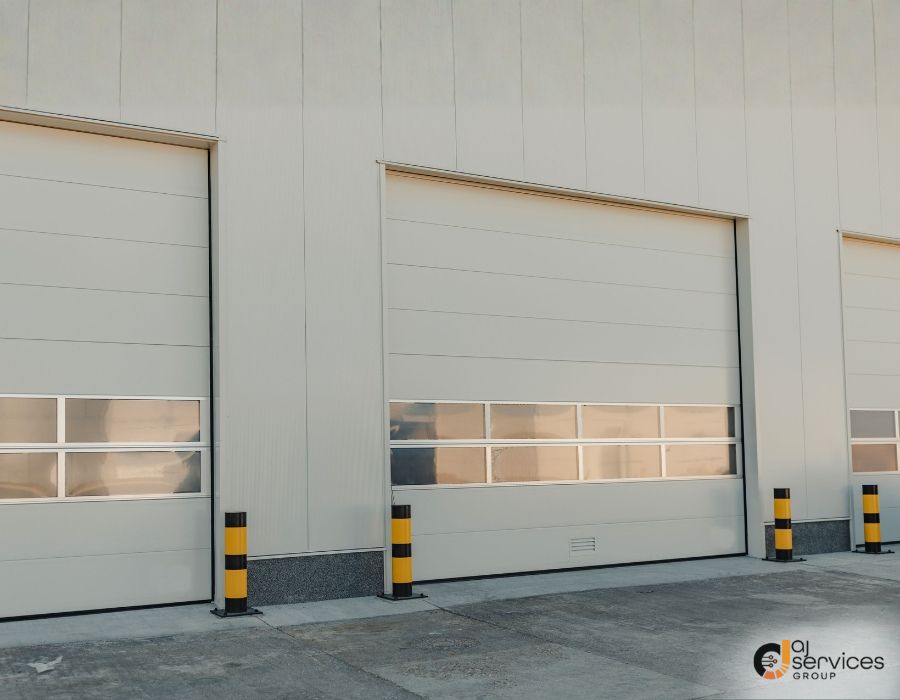
Commercial roller doors in NSW are subject to several critical regulatory requirements to ensure safe operation, protect workers, and maintain legal compliance. Understanding these regulations helps prevent accidents, avoid fines, and maintain smooth day-to-day operations.
Building Code of Australia (BCA)
The BCA provides the technical framework for the design, construction, and installation of commercial roller doors. It sets standards for structural integrity, fire resistance, and load-bearing capacity. Compliance ensures your door can withstand operational stresses, environmental conditions, and emergency situations, reducing the risk of mechanical failure.
SafeWork NSW Guidelines
SafeWork NSW focuses on workplace health and safety, specifically addressing the risks associated with heavy moving doors. These guidelines cover safe installation, regular inspections, functional safety features such as auto-reverse and emergency stops, and proper maintenance procedures. Following these standards helps protect employees from injuries caused by sudden door failures, pinching points, or malfunctioning motors.
Local Council Requirements
Many local councils have additional compliance rules for commercial roller doors. These may include certifications for fire ratings, wind load resistance, or emergency access routes. Depending on your facility’s location and occupancy type, you may also need to demonstrate compliance with strata- or industry-specific safety codes. Maintaining these certificates ensures your facility meets all legal obligations and is prepared for inspections.
Routine Safety Checks for Roller Doors
Safety checks are essential to prevent accidents and ensure compliance.
- Visual Checks: Look for damage, unusual noises, or sluggish movement. Can often be performed in-house.
- Professional Inspections: A trained technician inspects internal components, safety systems, and load handling. Essential for automated or heavy-duty doors.
- Frequency: Doors used heavily or in high-traffic areas require closer monitoring and more frequent checks.
Keeping Accurate Records
Documentation is important for meeting NSW regulations and demonstrating due diligence. Maintain a clear record of:
- Service dates and scope
- Observed issues and recommended repairs
- Invoices for parts replaced
- Corrective actions taken
Digital recordkeeping is ideal, especially for facilities managing multiple doors. Clear labeling by site and door ensures quick retrieval during audits or inspections.
Example Record Table:
| Date | Service Performed | Technician/Company | Parts Replaced | Next Due |
| 15 Jan | Routine maintenance & testing | AJ Services Group | Motor drive belt | 15 Apr |
| 16 Feb | Safety check, lubrication | Internal Facilities | None | 16 June |
| 20 Mar | Spring replacement | AJ Services Group | Torsion spring | 20 July |
This structure ensures everyone knows exactly what has been done, by whom, and when the next service is due.
Partner with Qualified Service Providers
Collaborating with experienced service providers like AJ Services Group simplifies compliance. Specialists handle commercial roller door service, including:
- Motor calibration and testing
- Safety sensor inspections and upgrades
- Track alignment and mechanical adjustments
Experts also guide you through complex NSW legislation to ensure your commercial roller doors comply with all regulatory standards. A reputable provider prevents costly mistakes, reduces risk, and provides proper audit documentation.
Responsibilities for Maintaining Compliance
By now, you have read about the major steps involved in ensuring commercial roller door compliance in NSW. Let us boil it down to the essentials:
- Understand the main regulations. These come from the Building Code of Australia, SafeWork NSW, and local councils, all with the goal of keeping your workspace safe.
- Schedule regular servicing. Preventive checks catch minor issues before they become major disruptions that threaten compliance.
- Keep records. When an inspector comes calling, a tidy log of repair dates, parts replaced, and technicians involved proves you have taken your responsibilities seriously.
- Choose qualified experts like AJ Services Group. The right professional partner will fix issues correctly and give you complete documentation.
- Stay proactive. If you notice unusual sounds, slow door movement, or any malfunction, call in a professional. You will neutralise the risk before it affects your compliance status.
Follow each of these steps, and you will rarely find yourself on the wrong side of an audit or dealing with a door emergency that stalls your business.
Frequently Asked Questions
1. How often do I need to service my commercial roller door in NSW?
It varies based on door usage, environment, and manufacturer guidelines. As a rule of thumb, consider quarterly or biannual professional servicing. More frequent checks might be necessary if your door sees very heavy use or is in a location with challenging conditions, such as salty coastal air or dust from manufacturing processes.
2. Can my internal team handle all door maintenance?
General upkeep, such as cleaning tracks, testing safety sensors, and noting odd door behaviour, can be handled internally. However, most regulations demand that certain tasks be carried out by qualified professionals. Complex mechanical or electrical repairs require specialised training; always engage qualified providers to ensure compliance and safety.
3. What happens if my roller door is found to be non-compliant?
Non-compliance can lead to warnings, fines, or even forced closure until you make the necessary corrections. Depending on the severity, you may face legal consequences if the door’s condition poses imminent danger. To avoid such risks, stay ahead of servicing schedules, maintain detailed records, and quickly address any defects.
4. Are there different rules for industrial and commercial roller doors?
Industrial and commercial roller doors typically follow most of the same safety standards, with some variations based on building occupancy, size, and local council requirements. Check the Building Code of Australia, along with any council-specific guidelines, to see if your facility falls under additional rules.
5. What documentation do I need to prove my roller doors are compliant?
To demonstrate compliance, you should maintain a complete record of all inspections and servicing, including details of any repairs or parts replaced. Certificates from qualified service providers, along with notes on observed issues and corrective actions taken, are also important.
Ensure Your Commercial Roller Doors Stay Compliant
Maintaining compliance for your commercial roller doors in NSW is essential for safety, reliability, and avoiding fines. AJ Services Group offers professional inspections, servicing, and repairs to keep your doors operating smoothly and meeting all regulatory standards.
Contact us at (02) 1234 5678 or email info@ajservicesgroup.com.au to book a service or compliance audit.